"Perfume: the price per ml the box doesn't tell you"
Work out a perfume's price per ml and compare EDT, EDP and parfum without getting it wrong. Tips to avoid overpaying for the same fragrance.
 By the GlowPrice team · 16 November 2026 · 3 min read
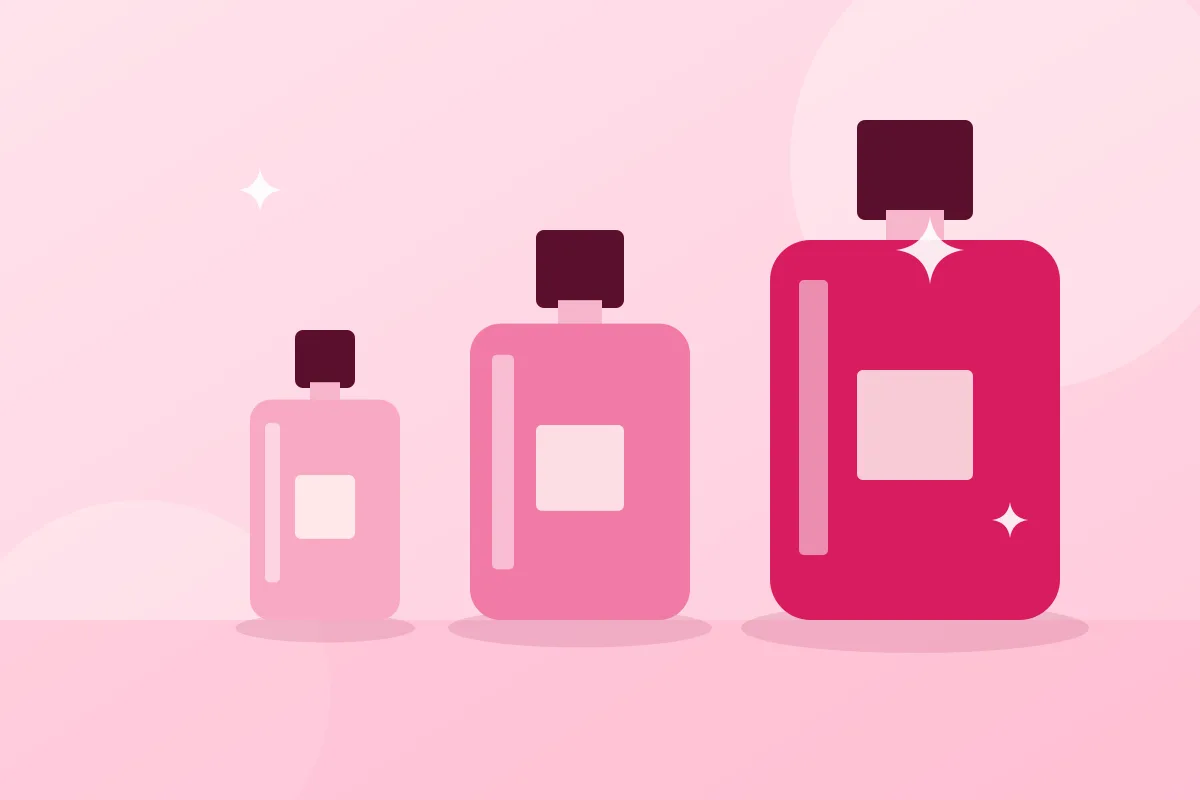
Three bottles on the shelf. Same fragrance, three sizes and a spread of prices. Your brain, once again, wants the smallest because it "costs less". Spoiler: it's almost never the cheapest.
Perfume works like moisturiser, with a twist: besides size, the concentration changes. And that changes everything.
How to work out a perfume's price per ml
Price divided by millilitres. That's it.
- 30 ml bottle at £55: £1.83 per ml.
- 50 ml bottle at £75: £1.50 per ml.
- 100 ml bottle at £110: £1.10 per ml.
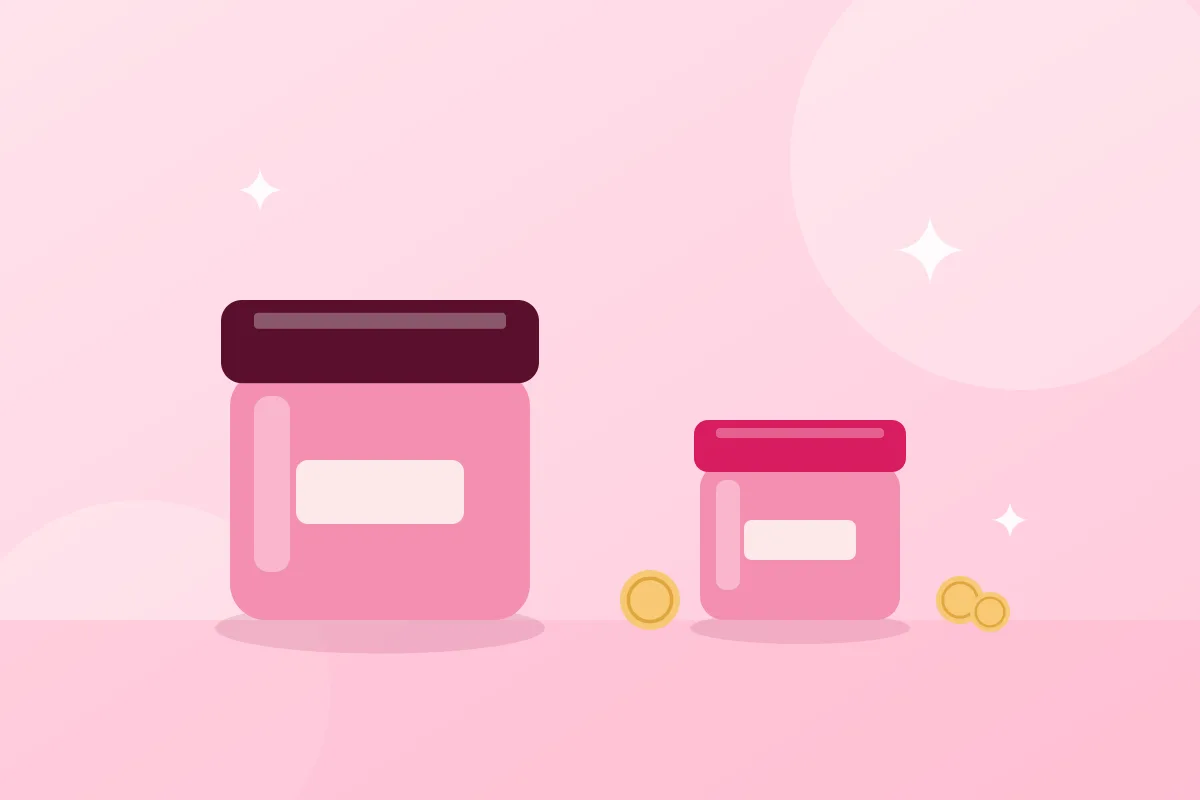
Round numbers, but the pattern is the usual one: the bigger the bottle, the less you pay per millilitre. The 30 ml is the "just to try" size, and you pay for it as such.
What the sum can't see: EDT, EDP and parfum
Here's what almost nobody checks. One fragrance can come in different concentrations:
- EDT (eau de toilette): lighter and, generally, doesn't last as long.
- EDP (eau de parfum): more concentrated and usually lasts longer.
- Parfum or extrait: the most concentrated, and the priciest per ml.
They are not the same product. Comparing the price per ml of an EDT with an EDP is like comparing a moisturiser with a serum because both come in a jar. Before doing any sums, make sure you're comparing like with like.
The "price per wear" trick
A pricier-per-ml EDP can work out cheaper per wear if you need fewer sprays and it lasts longer. It isn't a rule, it depends on the fragrance and your skin, but it's worth a thought before you decide on price alone.
How to read a listing without being fooled
A well-made perfume listing tells you three things, and you should find them before looking at the price:
- The concentration (EDT, EDP, parfum). If it's missing, be wary: you don't know what you're comparing.
- The millilitres in the bottle. Watch out for gift sets, which combine several sizes in one listing.
- The full name. Many fragrances have versions ("Intense", "Elixir", "Nuit") that aren't the original, however alike they look.
If two listings don't match on all three, they're not comparable, however similar the bottle. It's the costliest mistake in comparing perfume: showing the price of one as if it were the other's.
What about testers and travel sets?
Miniature sets are a lovely way to discover fragrances, but per millilitre they're usually the most expensive way to buy perfume. If you love one, buy the full bottle. And testers sold on their own don't always include a box or a cap: read the listing before calling it a bargain.
Three common perfume traps
- The small size that looks like a deal. A 30 ml bottle at an "entry" price is usually the dearest per millilitre.
- The gift set with extras. Bottle plus a body lotion or wash bag: fine if you want the extras, not if you only wanted the perfume. Compare the bottle with its standalone equivalent.
- The "same" perfume with another name. Always check the exact size and concentration on the listing before trusting the comparison.
Your cheat sheet, in four lines
- Same fragrance, same concentration, same size.
- Work out the price per ml.
- Add delivery and see where it becomes free.
- Check when the price was read: a three-month-old one doesn't count.
On GlowPrice you search for the perfume and see each UK shop's price with its date, so you can compare without doing the maths by hand. For the rest of your basket, how delivery changes the cheapest shop will save you a headache, and if you want the base method, here's price per 100 ml for creams.
Let the fragrance win you over. Don't let the price fool you.
Being filter-free also means saying this: some GlowPrice links to stores are affiliate links and earn us a commission if you buy, at no cost to you. They don't change the order or the price we show. This is information about cosmetics, not medical advice: for your skin, talk to a dermatologist or a pharmacist.