
What is LIMONENE?
Allergen that must be declared · Annex III
The molecule that gives citrus peel its scent, especially orange and lemon. It comes into the product with essential oils or as part of the fragrance.
What it does in cosmetics
- PerfumingGives the product its scent.
- DeodorantReduces or masks body odour.
- SolventDissolves other ingredients so they are evenly distributed in the product.
Functions as listed in CosIng, the European Commission’s cosmetic ingredients database. Explanation ours.
What the EU Regulation says
It is one of the allergens that must be declared under Annex III. Brands must list it when it exceeds 0.001 % in a leave-on product or 0.01 % in a rinse-off one. Most people do not react to it; those who do need to be able to find it, which is why the law requires naming it.
Which products contain it
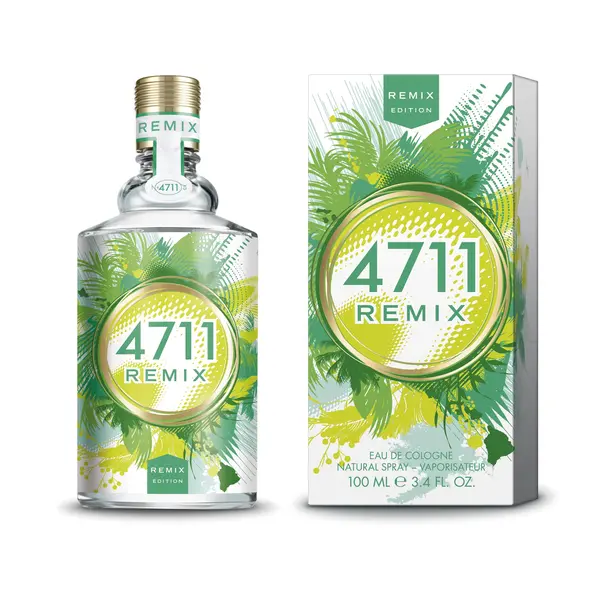
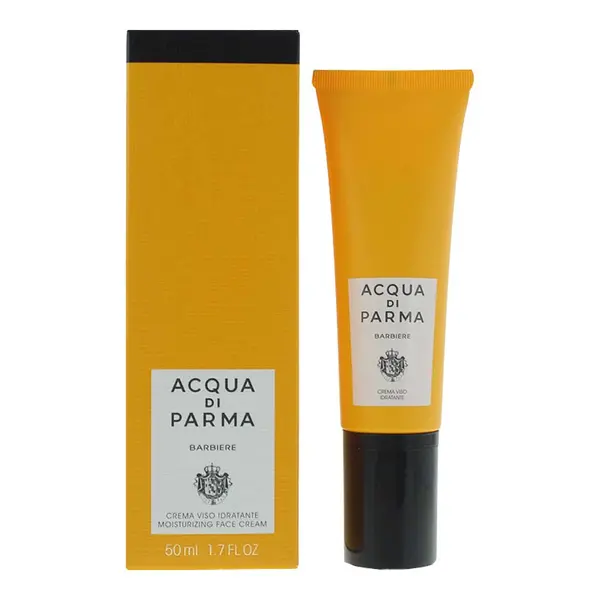
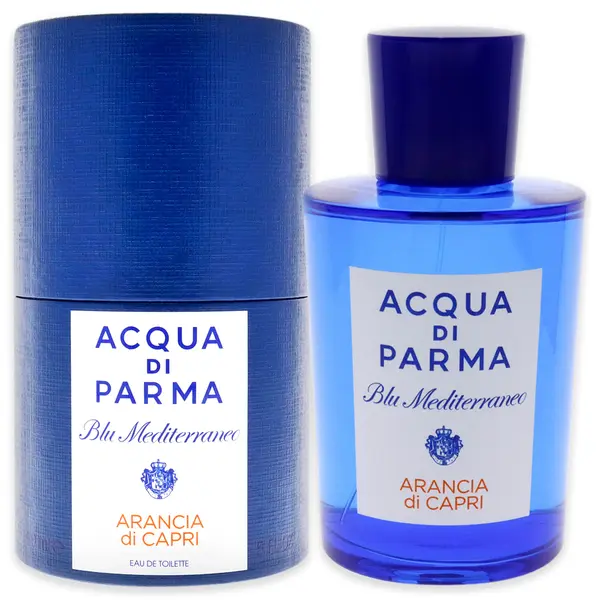
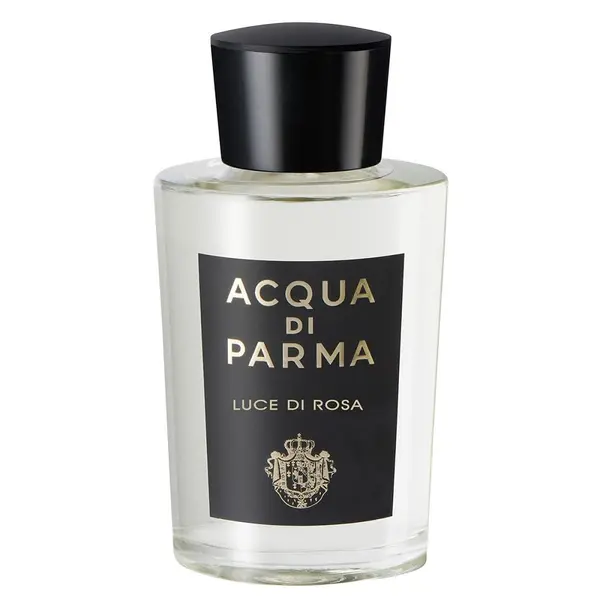
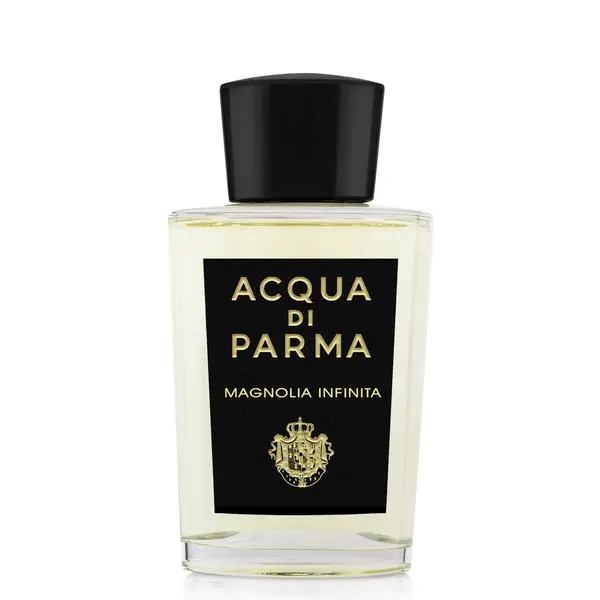
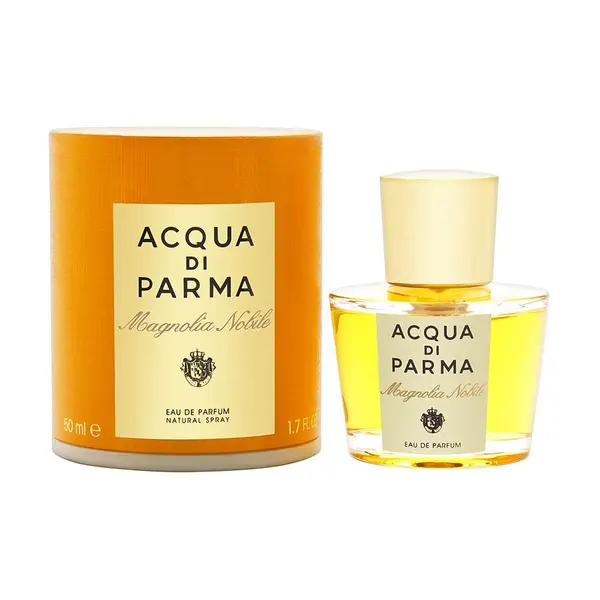
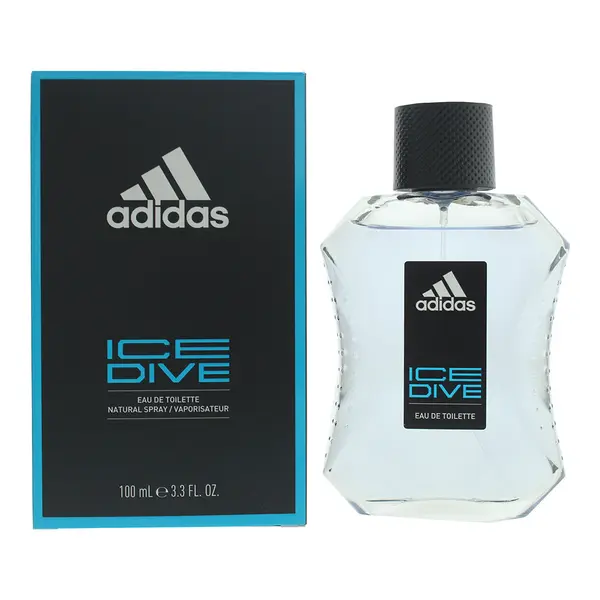
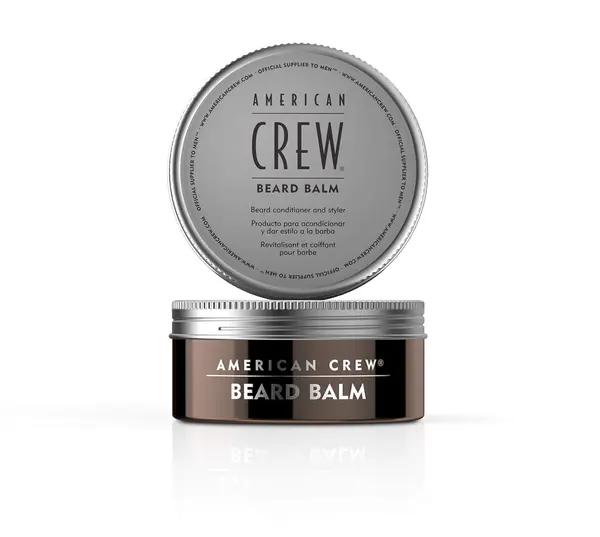
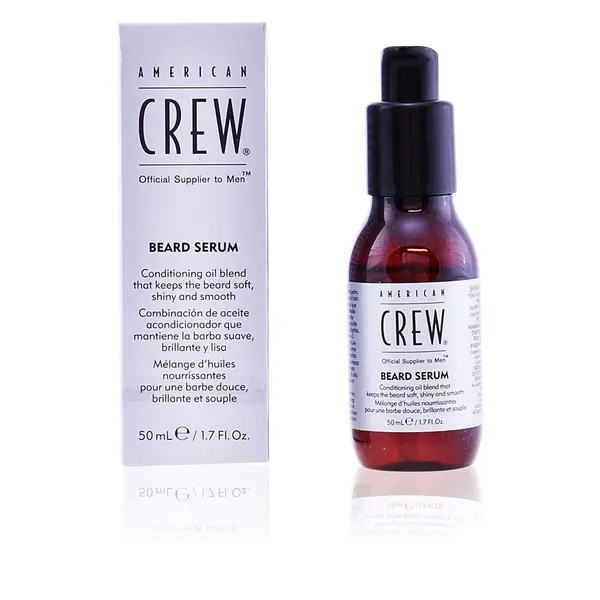
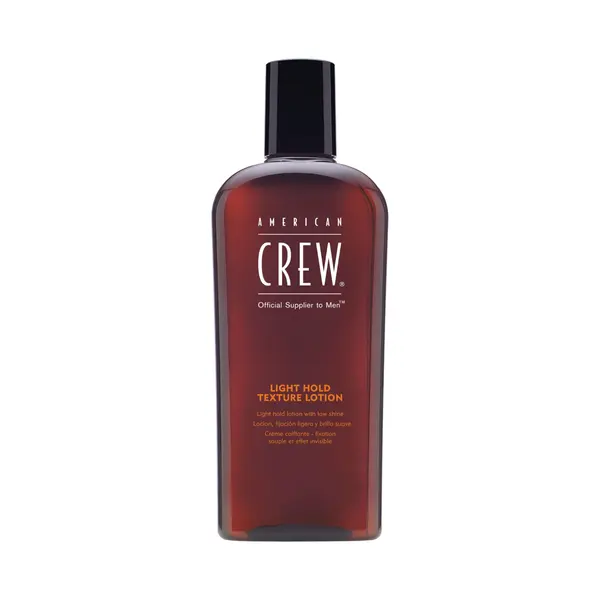
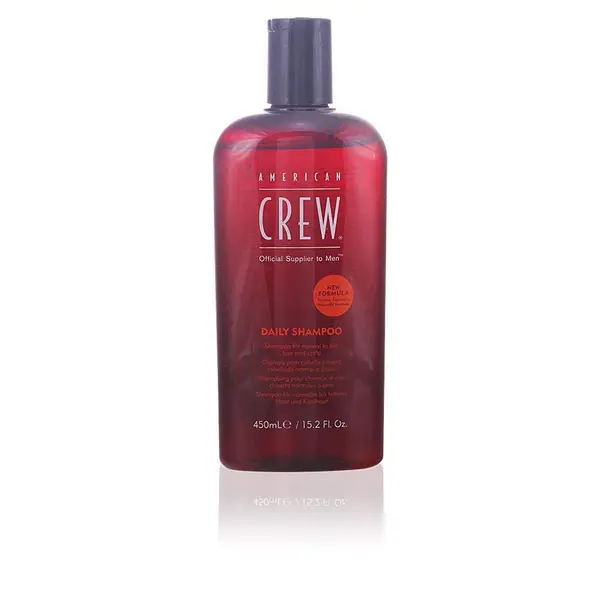
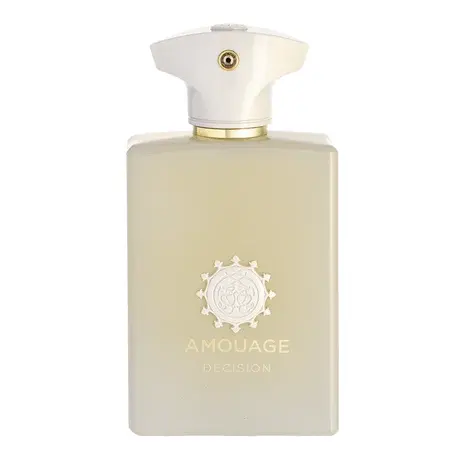
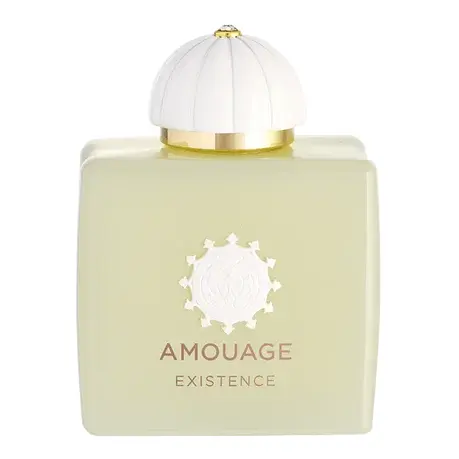
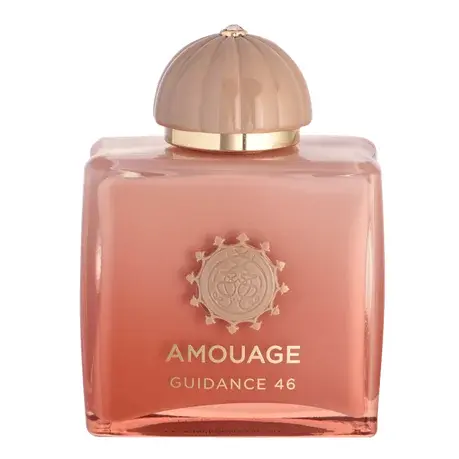
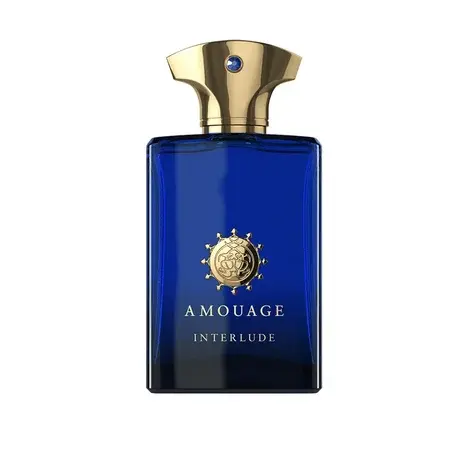
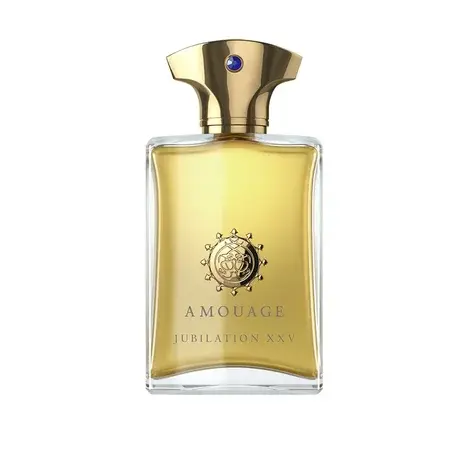
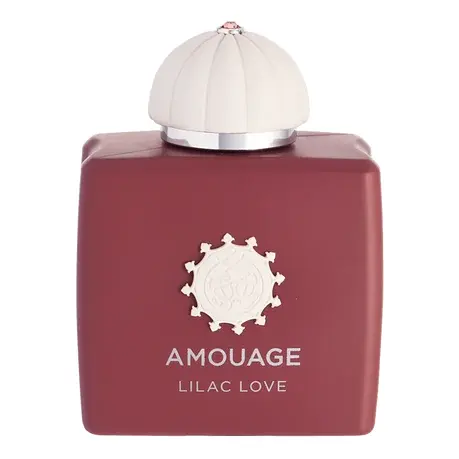
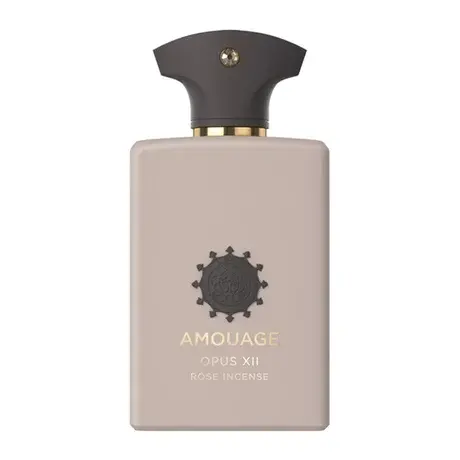
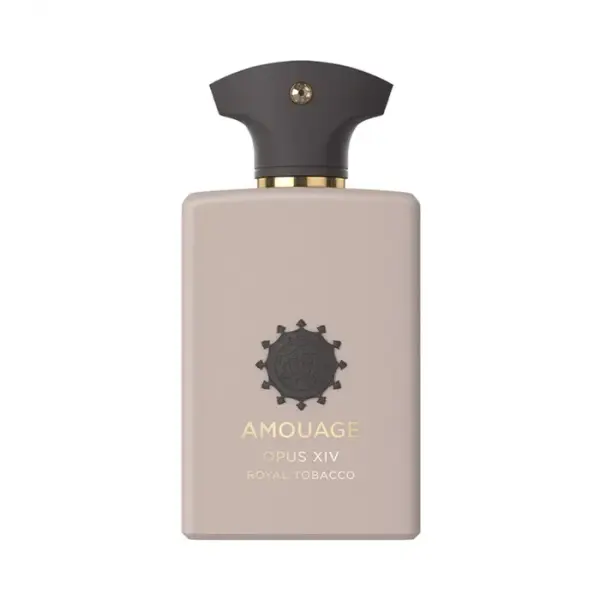
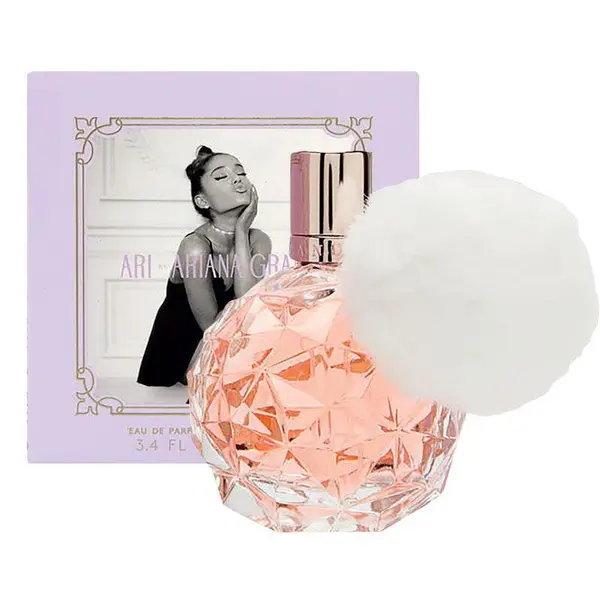
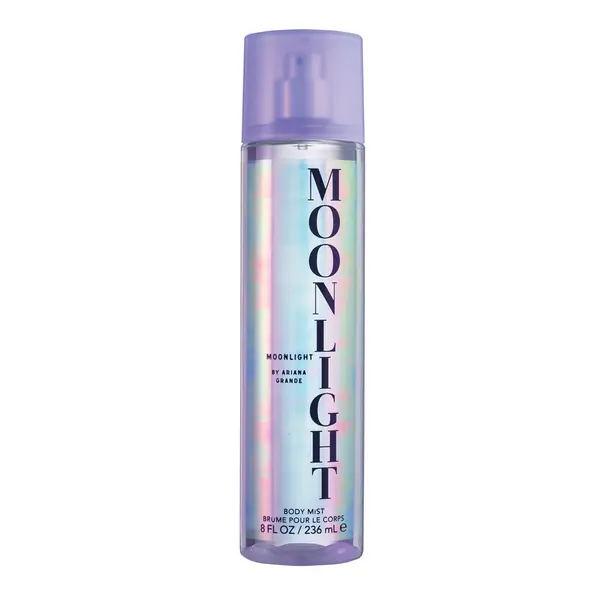
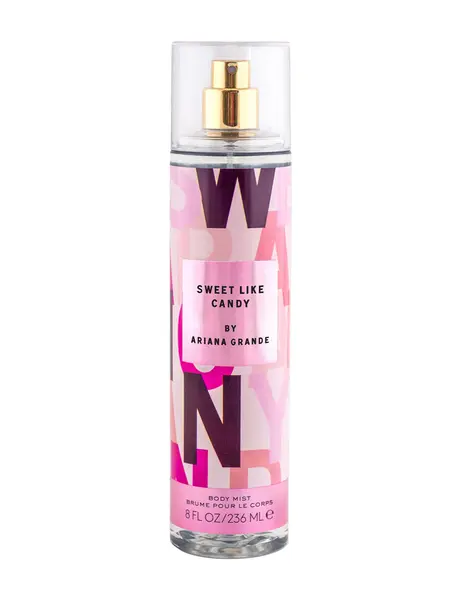
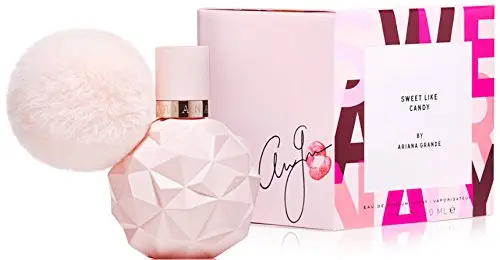
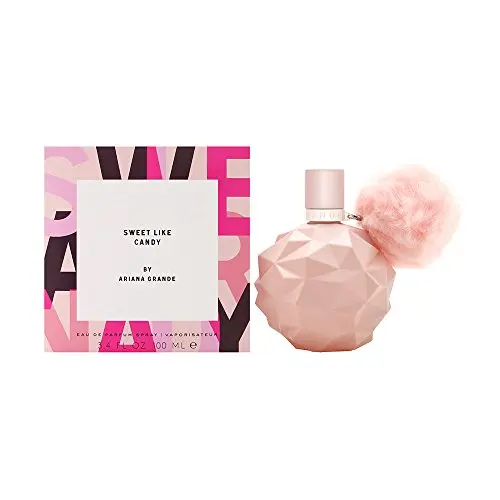
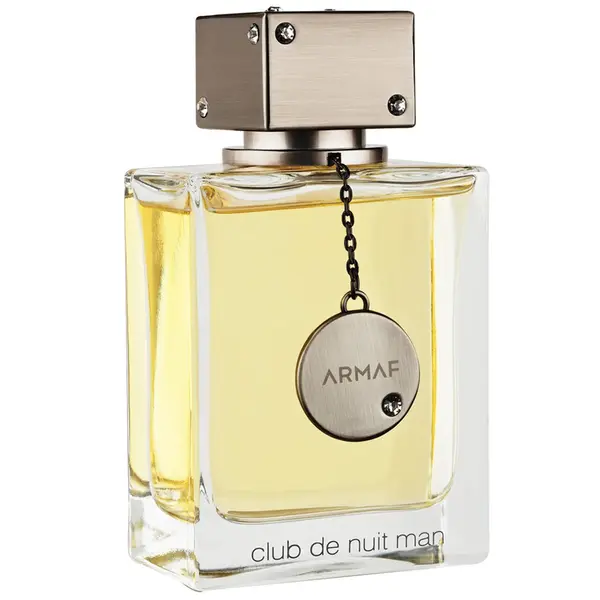
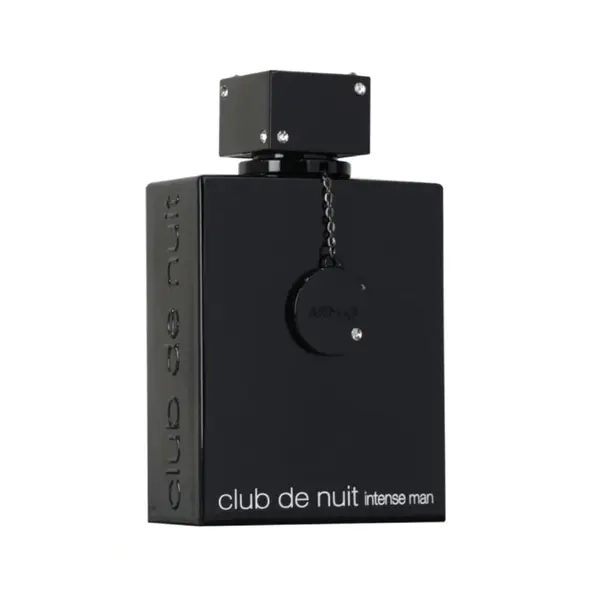
2,183 products in our catalogue contain it, mostly fragrance (69%), skincare (12%) and body care (11%).
In 28% of them it is among the first five ingredients, and it usually sits at number 8. The INCI list runs from the largest amount to the smallest down to 1%, so the higher it is, the more the product contains.
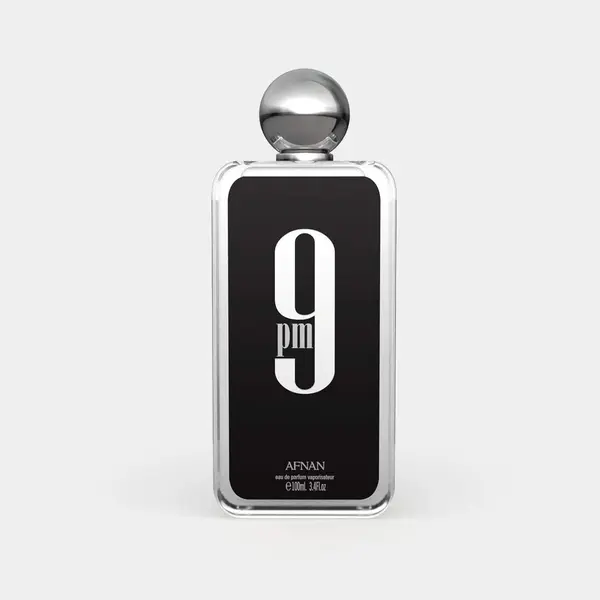
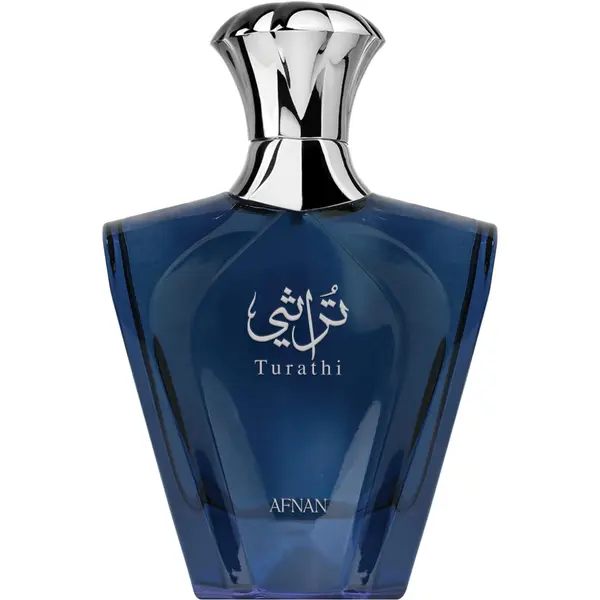
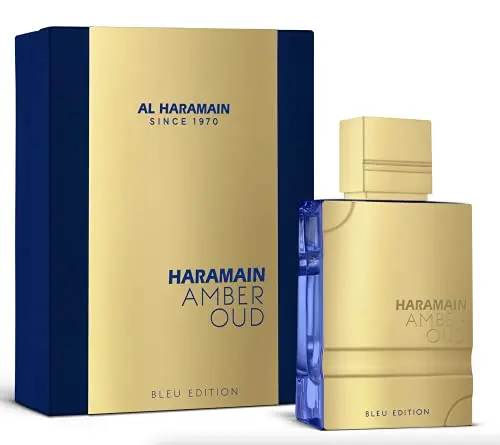
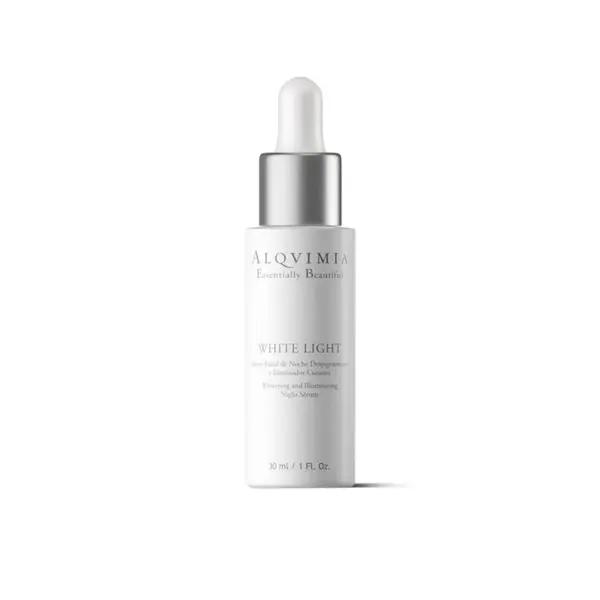
The brands with the most products containing it: Paco Rabanne (85), LANCÔME (80), Giorgio Armani (66), Jean Paul Gaultier (65) and Sisley (63).
Often found with
Found in 2,183 products in the catalogue
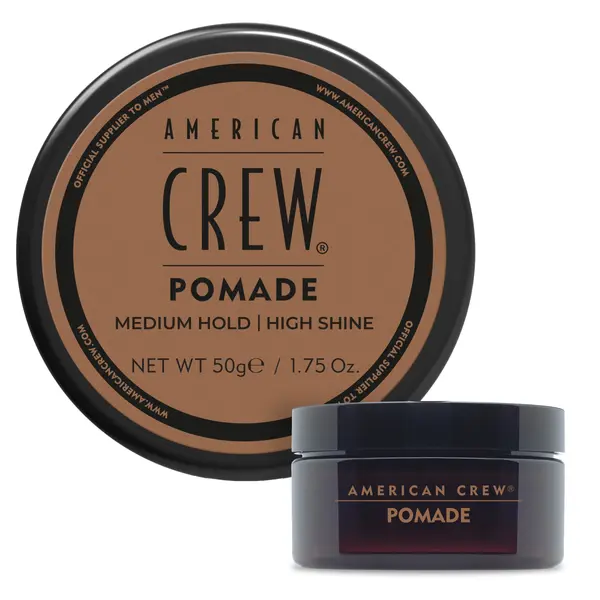
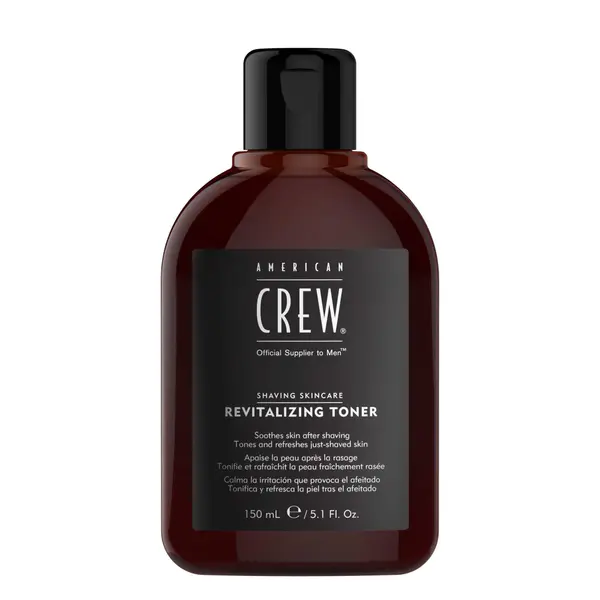
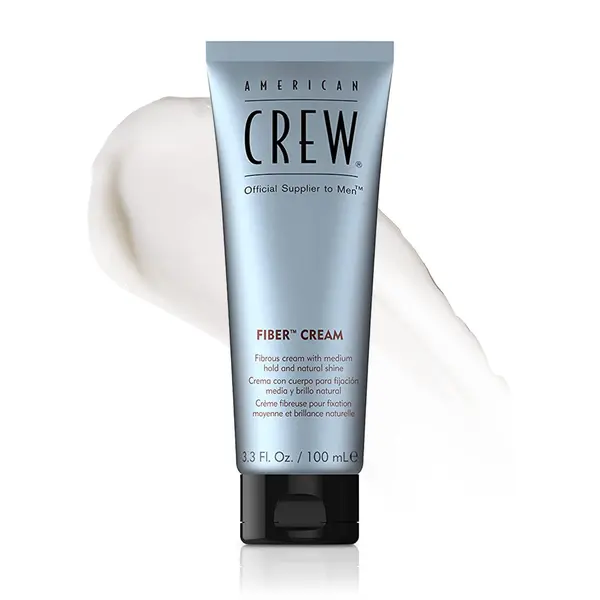
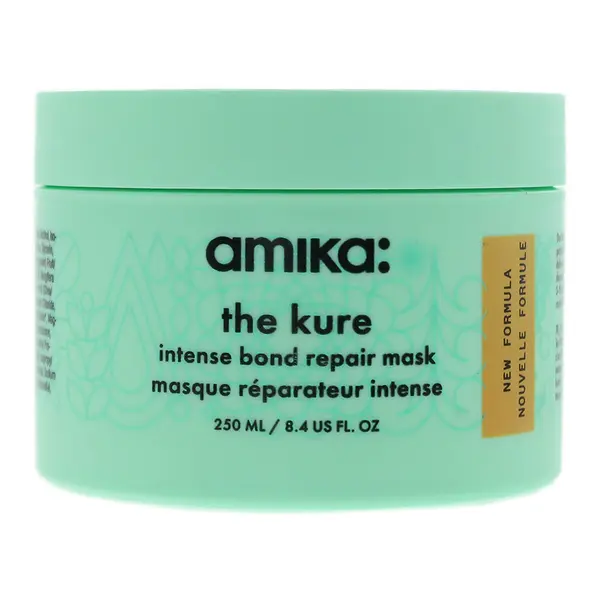
Other ingredients with the same function
Perfuming
Technical data
- INCI
- LIMONENE
- CAS
- 138-86-3
Source: CosIng, European Commission.
We can only analyse products whose ingredients we know, and a brand can reformulate without changing the barcode. If you have an allergy, always check the packaging.
Scan it yourself
With the app you point at the barcode and get this in a second, plus alerts when the price drops.
Get GlowPrice