
What is ALLANTOIN?
No specific restriction
A molecule found naturally in plants such as comfrey, though in cosmetics it is usually synthetic. It softens and soothes the skin and is common in products for sensitive skin and balms.
What it does in cosmetics
- Skin conditioningKeeps the skin in good condition: it softens it, moisturises it or improves how it looks. It is the broadest function in the EU inventory and the one most ingredients share.
- Skin protectingHelps protect the skin from external factors that irritate or dry it, such as cold, friction or water.
- SoothingHelps relieve discomfort of the skin or scalp.
Functions as listed in CosIng, the European Commission’s cosmetic ingredients database. Explanation ours.
What the EU Regulation says
It does not appear in the banned or restricted annexes of Regulation 1223/2009, nor in the list of allergens that must be declared. In other words: free use within the safety assessment every manufacturer is required to carry out.
Which products contain it
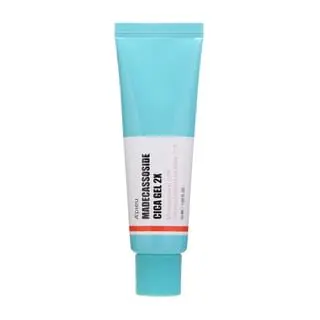
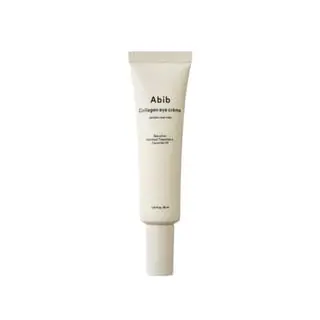
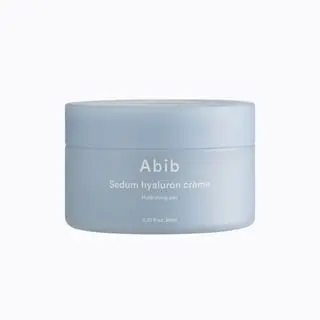
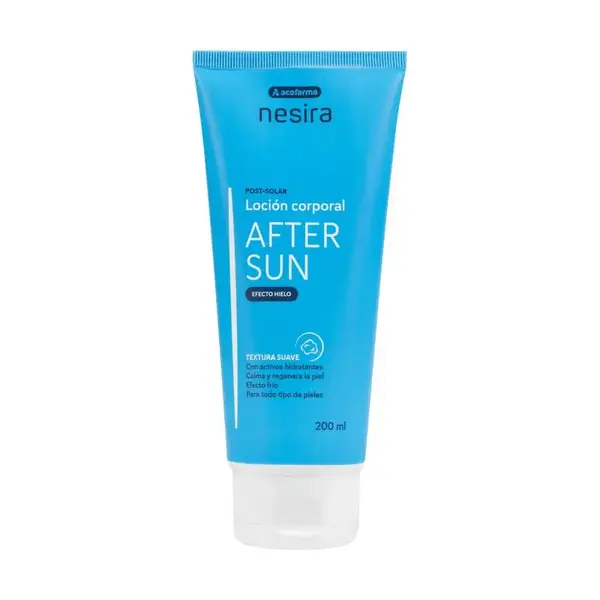
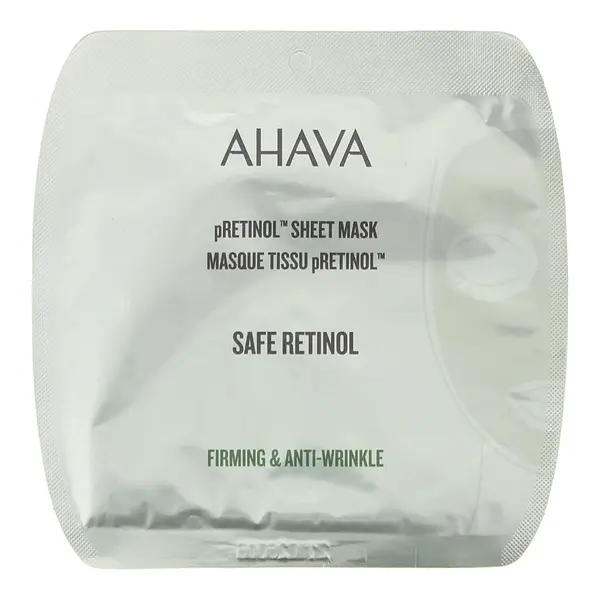
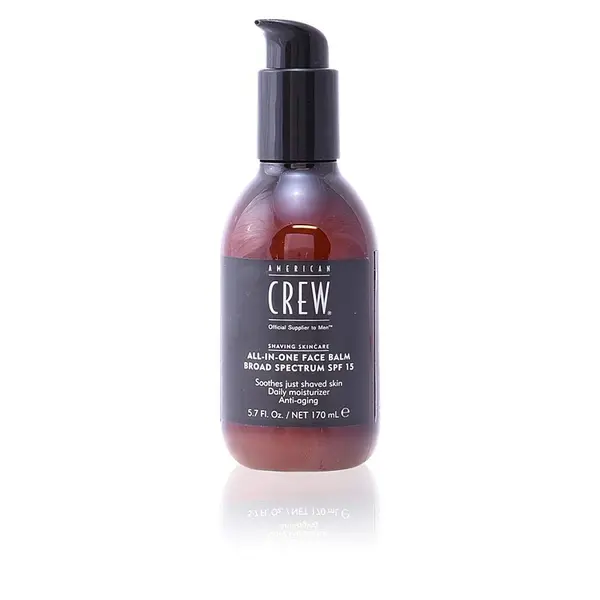
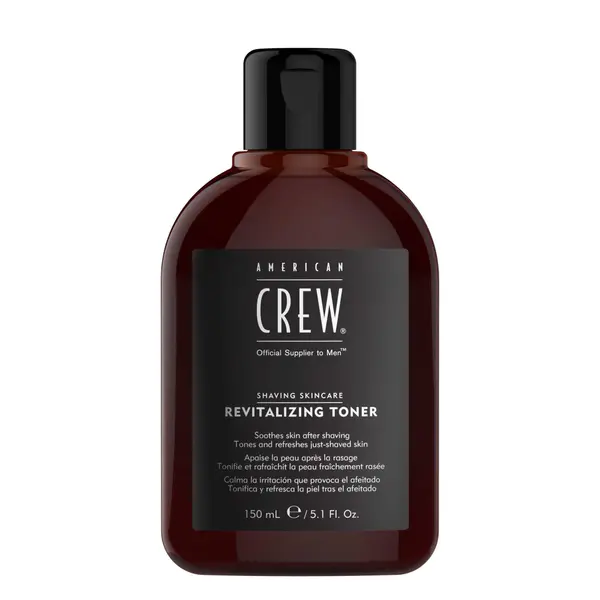
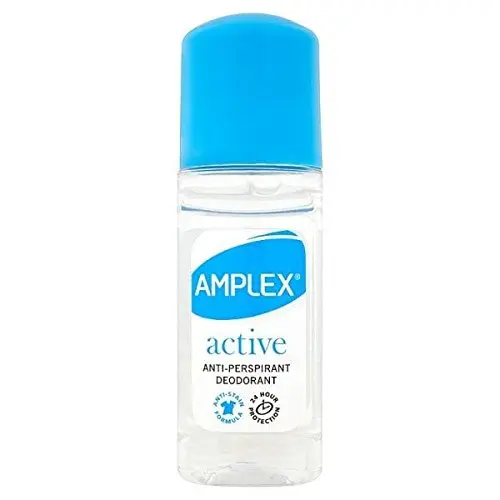
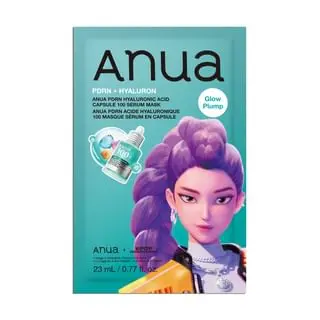
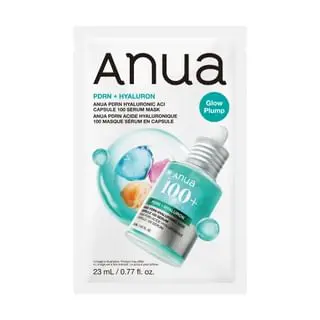
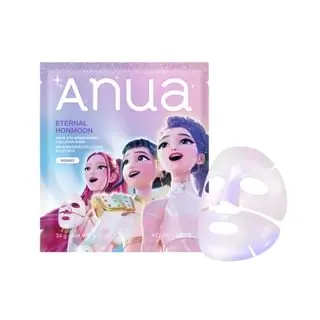
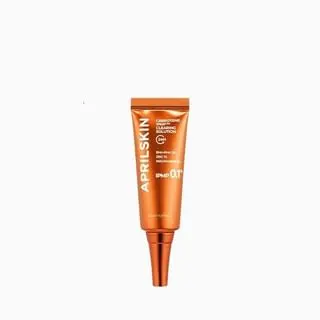
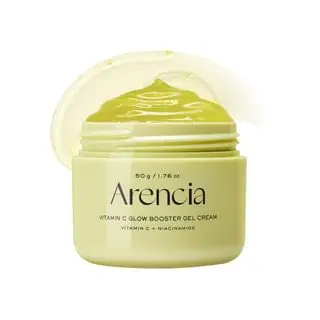
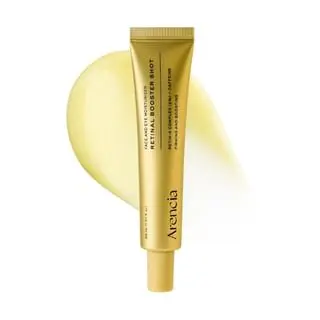
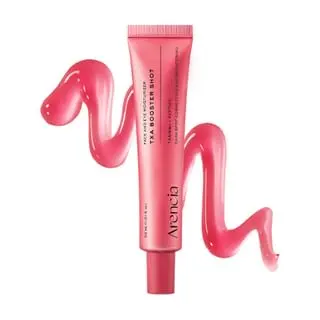
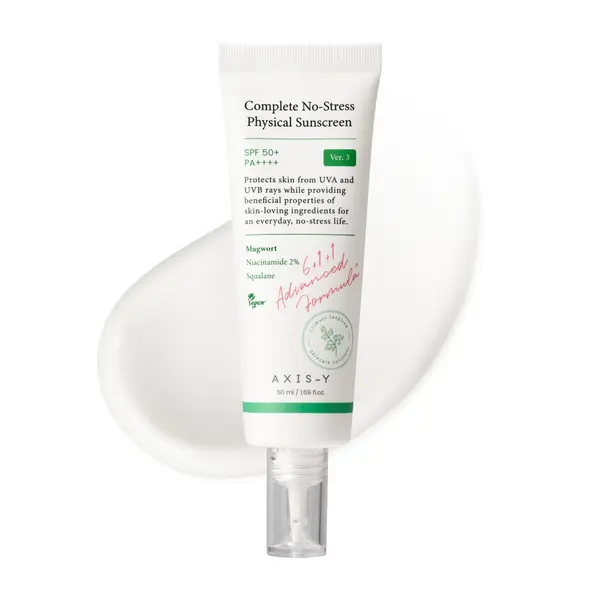
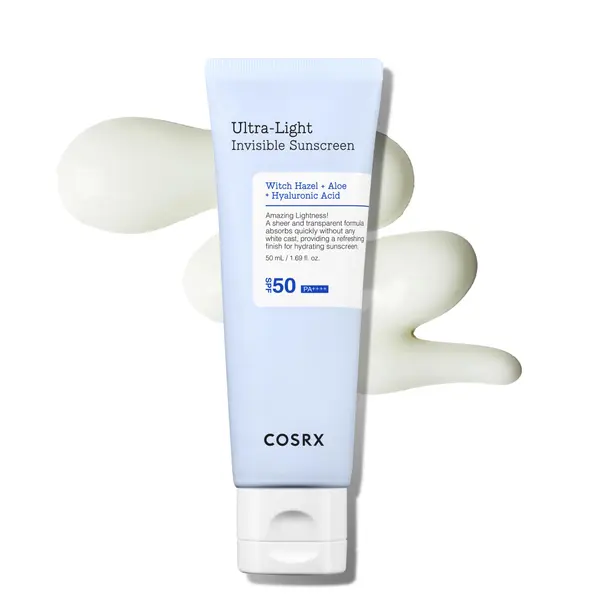
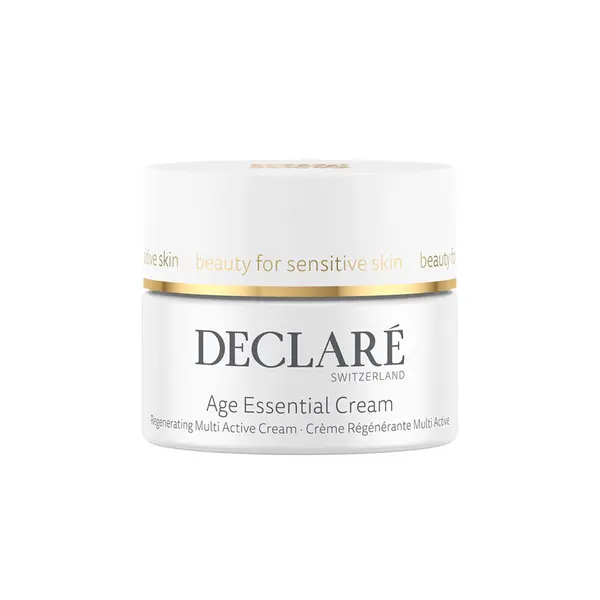
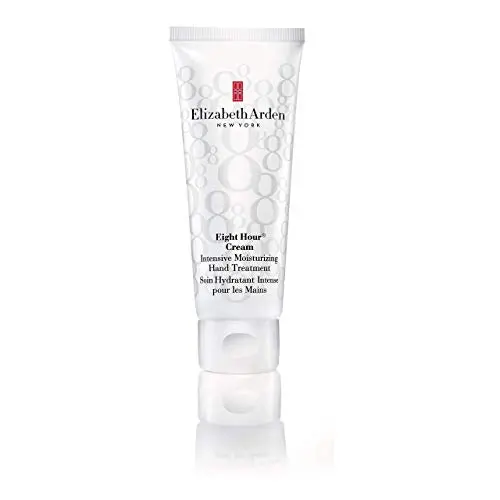
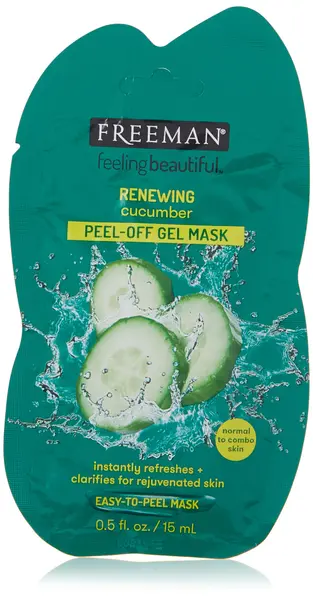
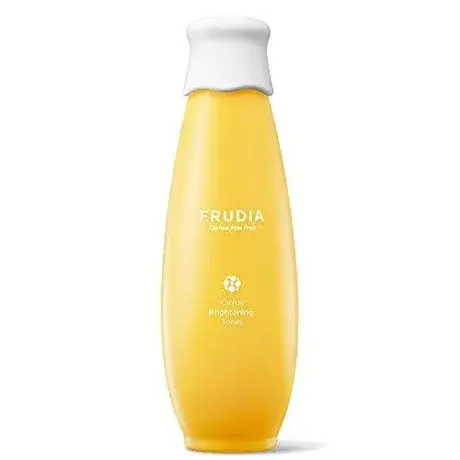
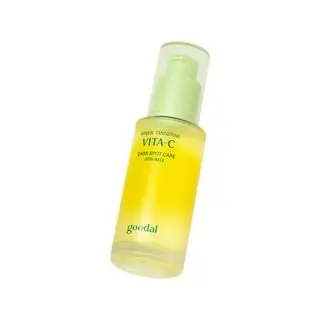
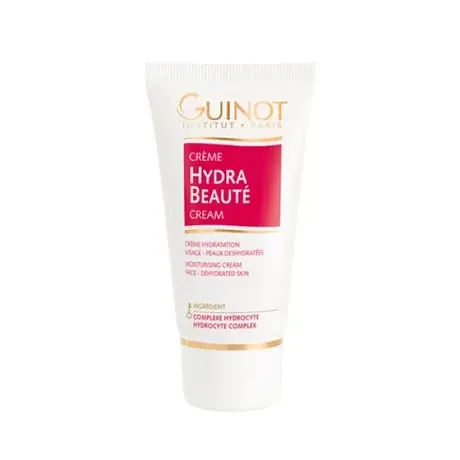
122 products in our catalogue contain it, mostly skincare (80%) and body care (18%).
It is hardly ever among the first five ingredients: it usually sits at number 14. The INCI list runs from the largest amount to the smallest down to 1%, so the higher it is, the more the product contains.
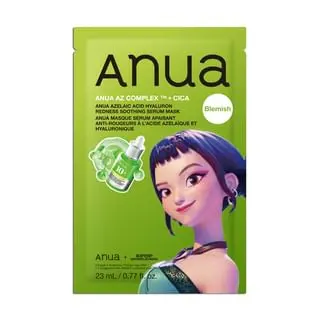
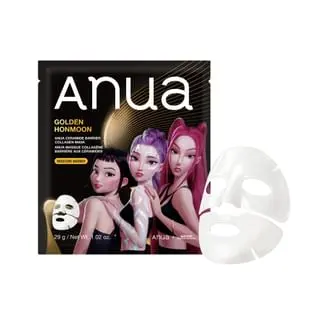
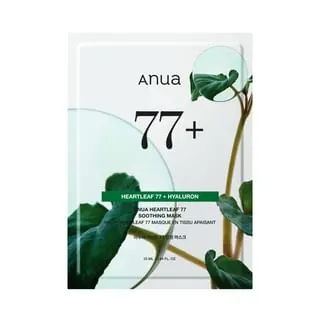
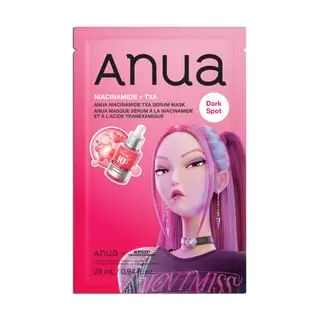
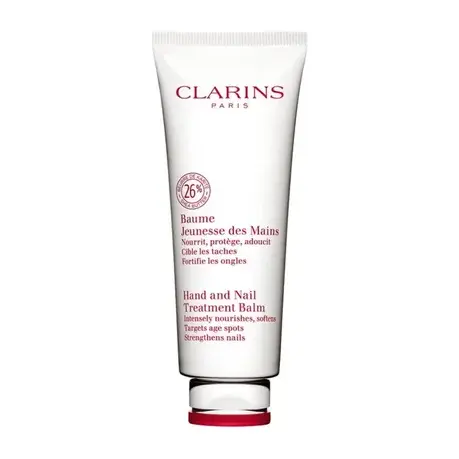
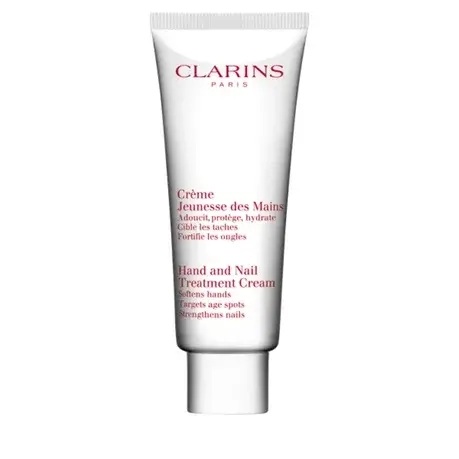
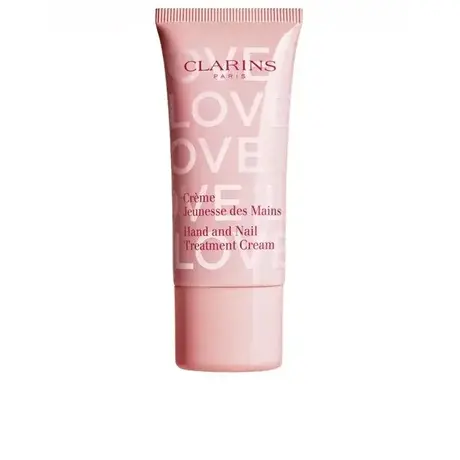
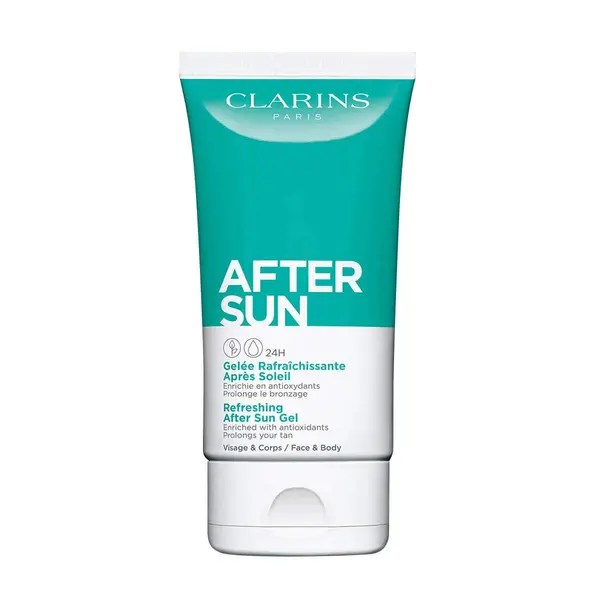
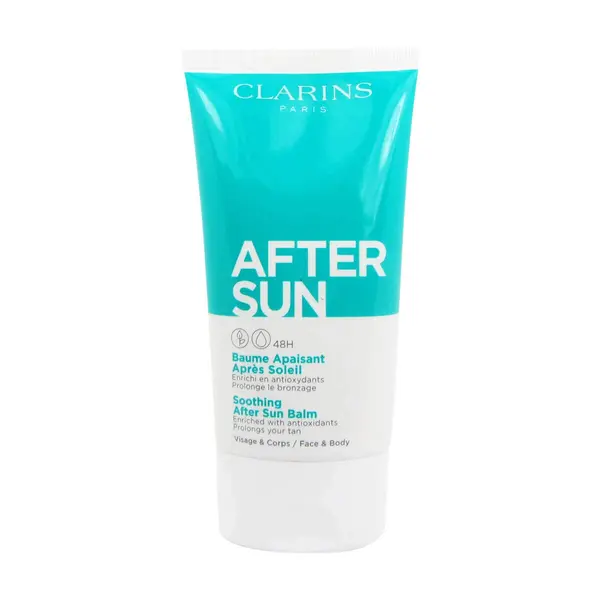
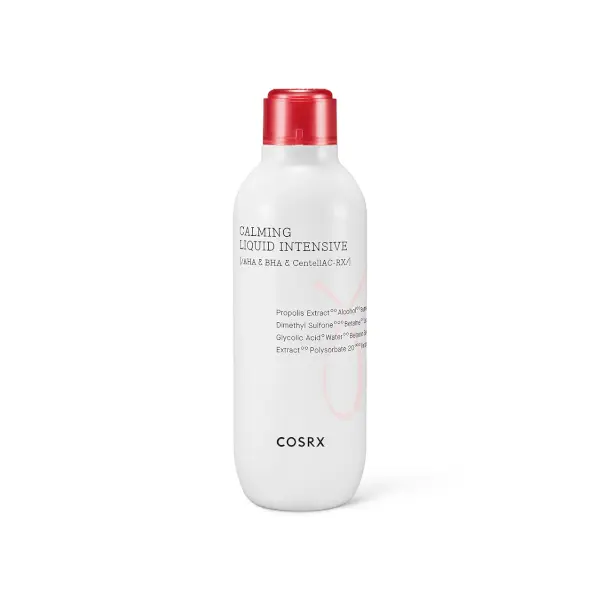
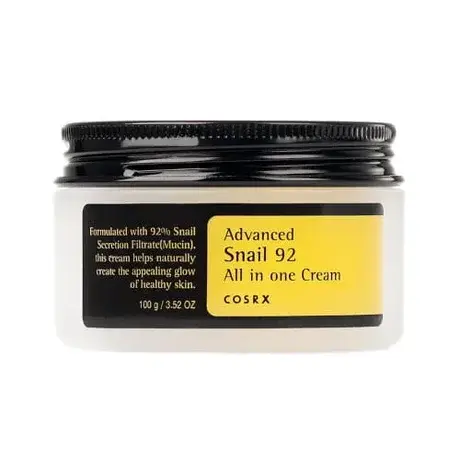
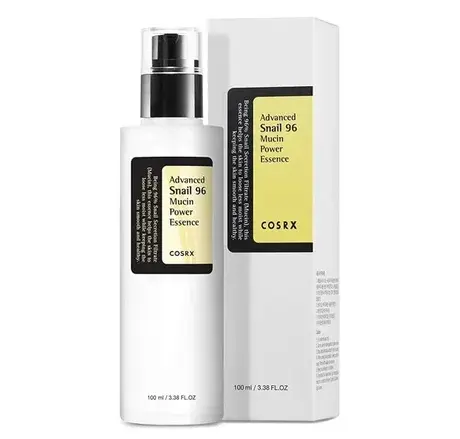
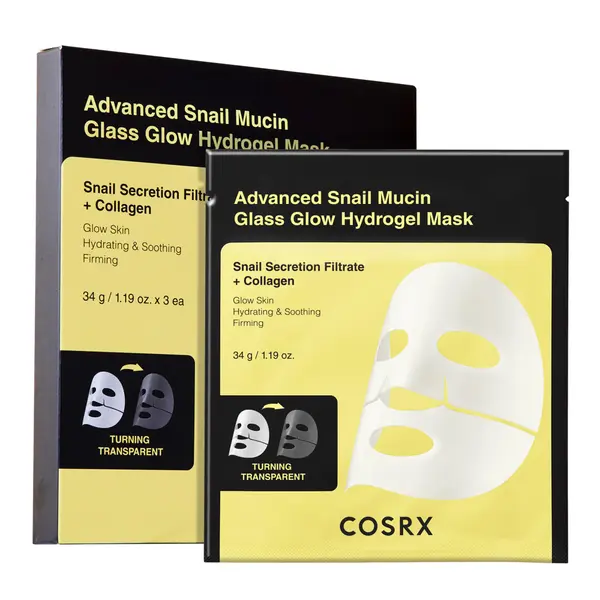
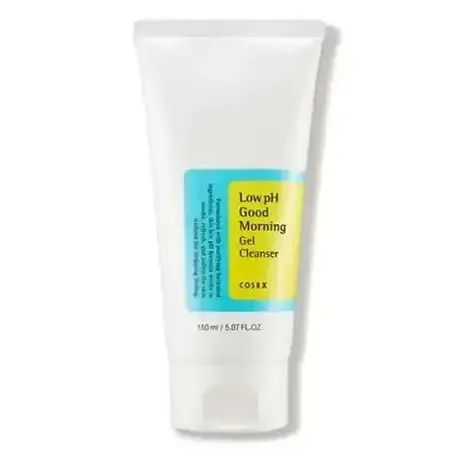
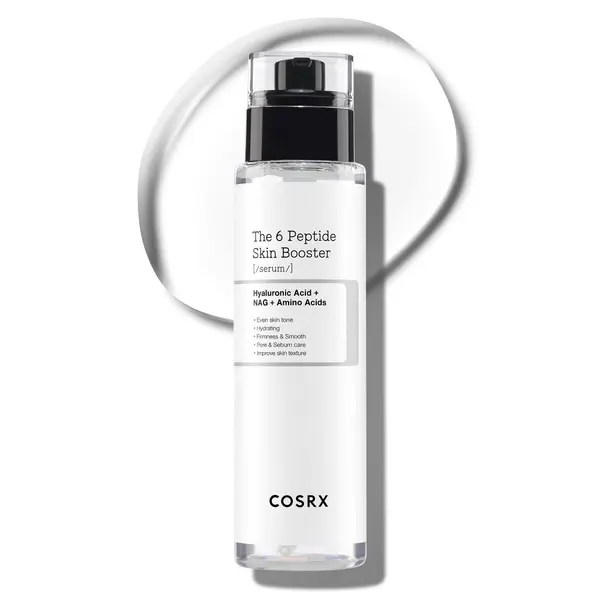
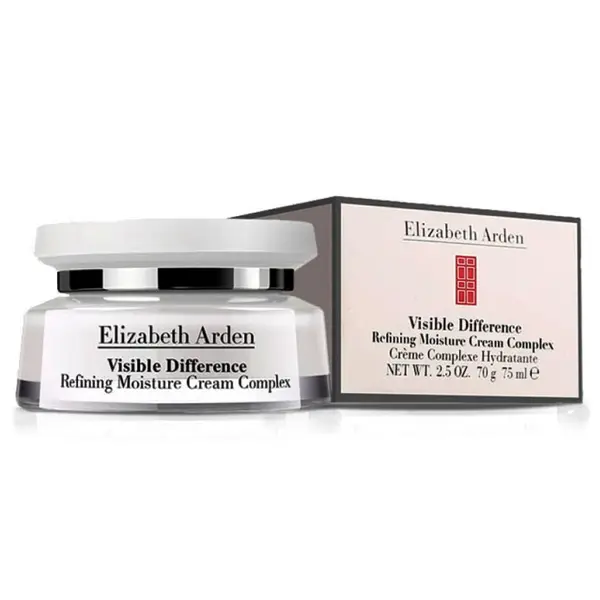
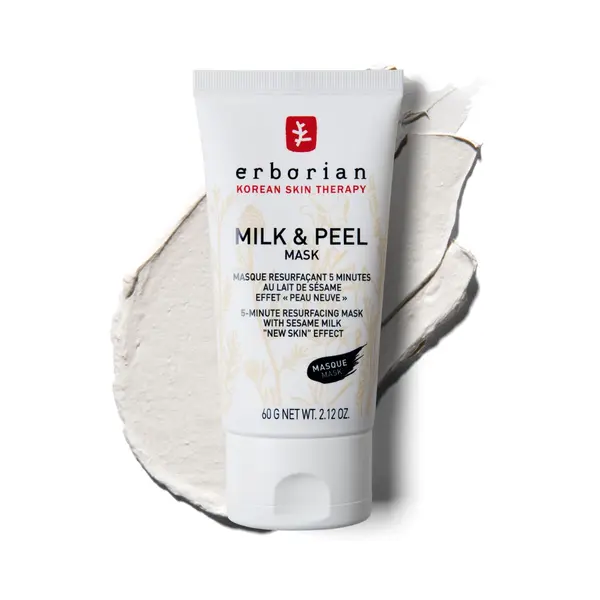
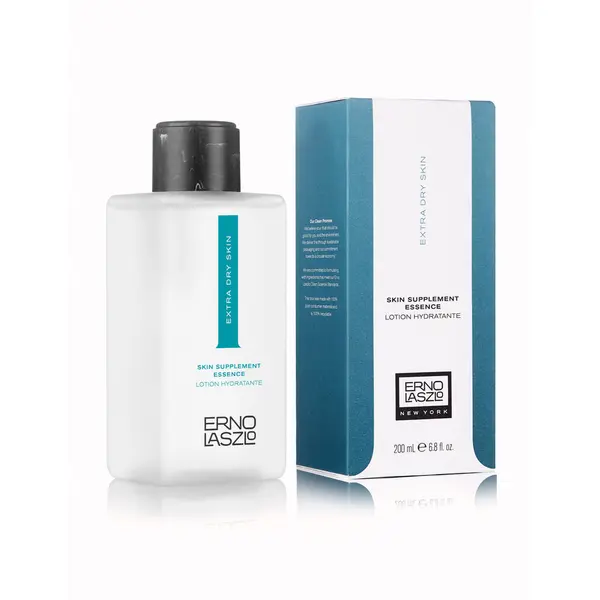
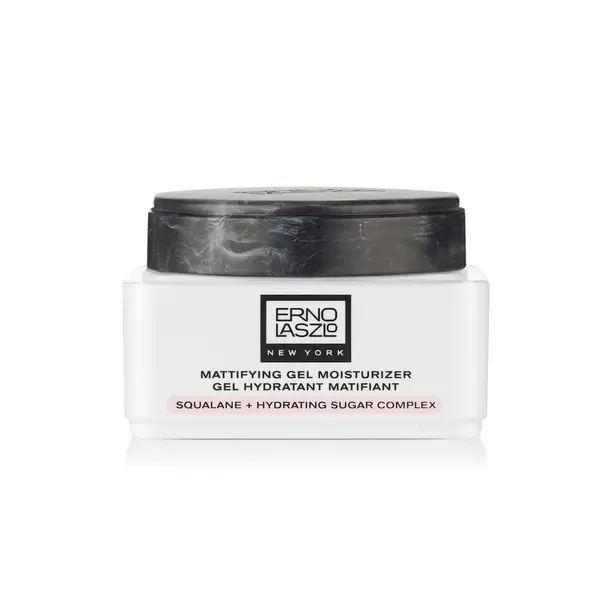
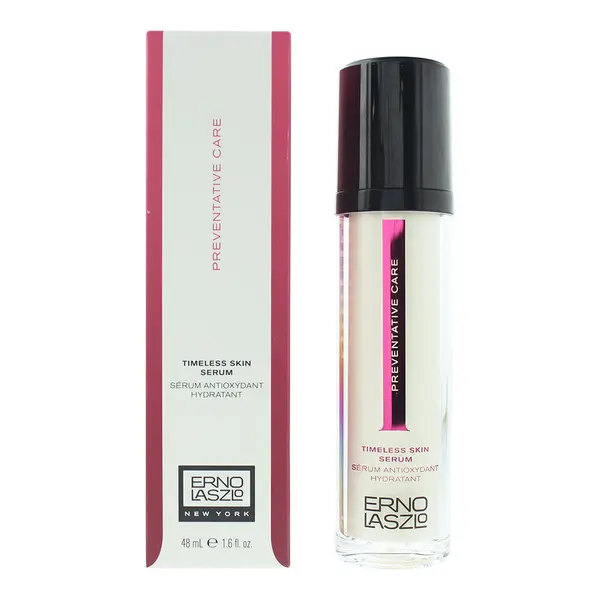
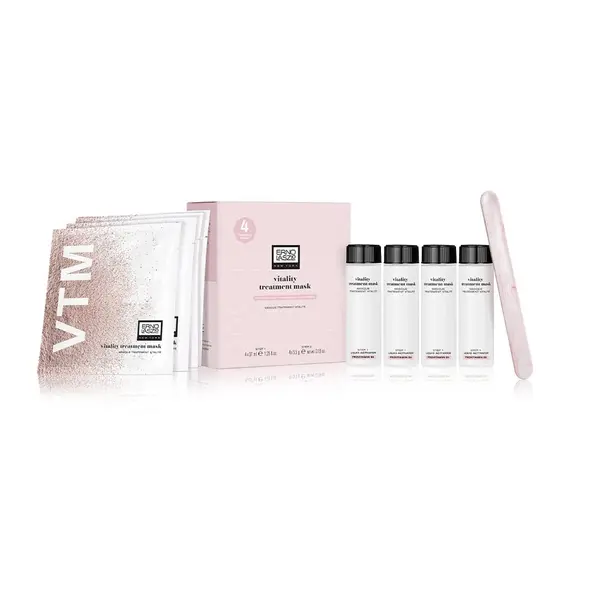
The brands with the most products containing it: Anua (7), COSRX (7), NUXE (7), Clarins (5) and Erno Laszlo (4).
Often found with
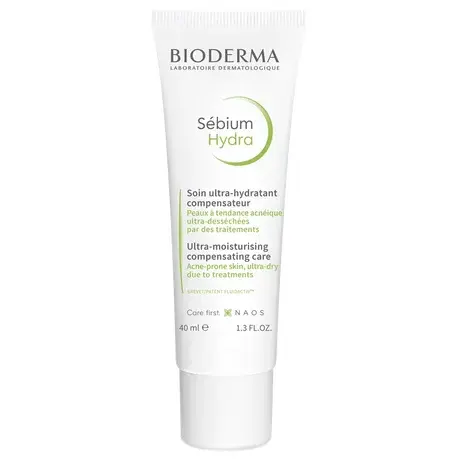
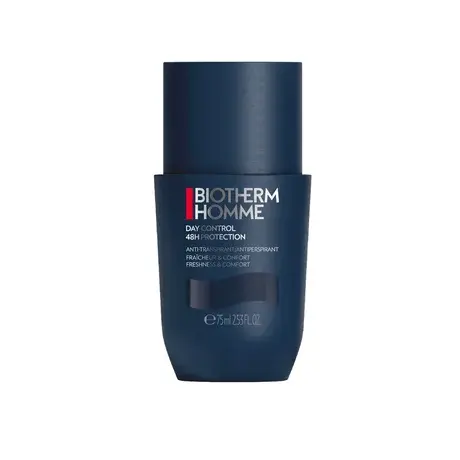
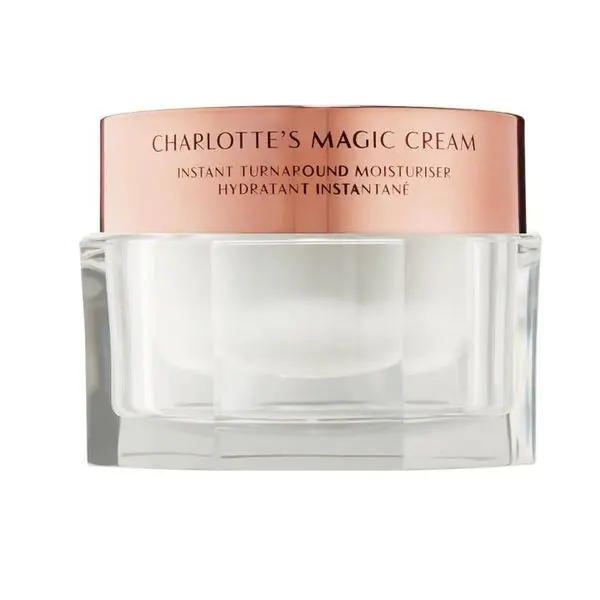
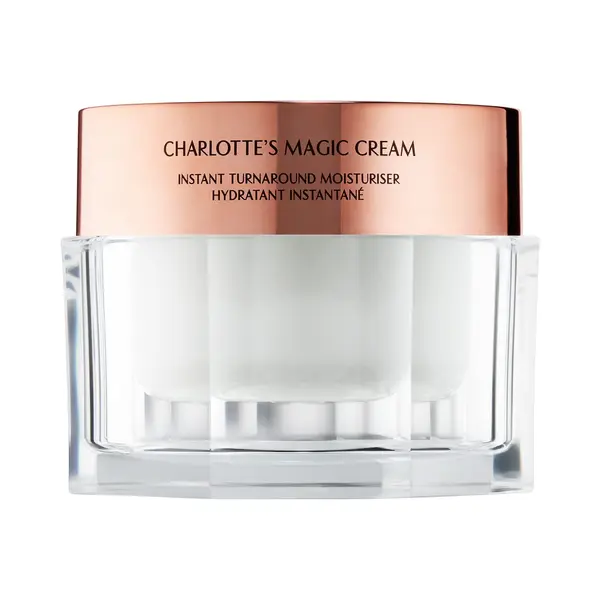
Found in 122 products in the catalogue
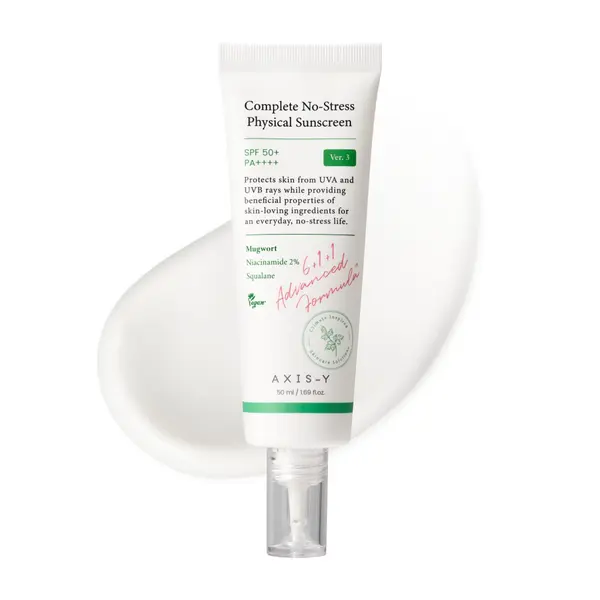
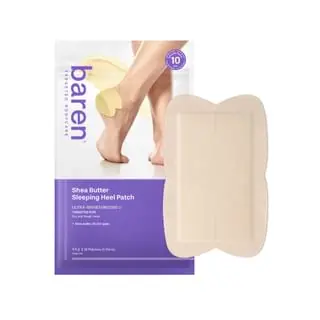
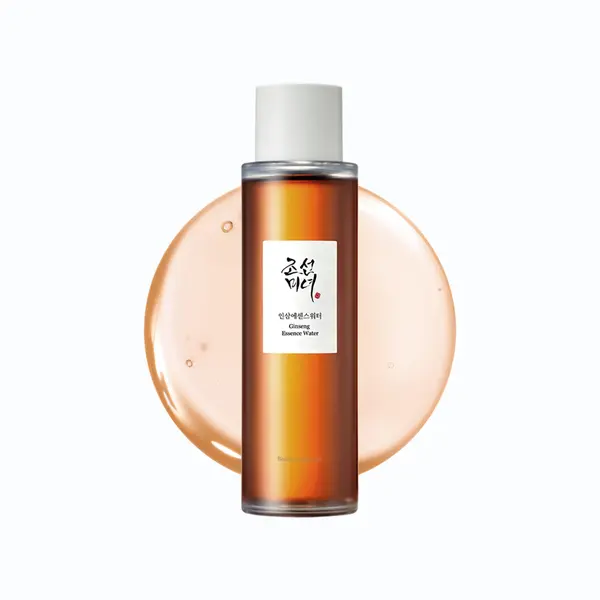
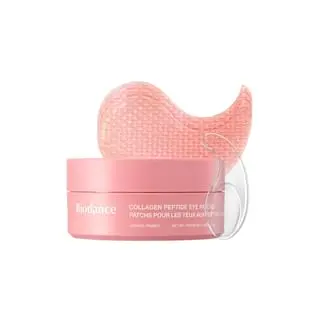
Other ingredients with the same function
Skin protecting
Technical data
- INCI
- ALLANTOIN
- CAS
- 97-59-6
Source: CosIng, European Commission.
We can only analyse products whose ingredients we know, and a brand can reformulate without changing the barcode. If you have an allergy, always check the packaging.
Scan it yourself
With the app you point at the barcode and get this in a second, plus alerts when the price drops.
Get GlowPrice