
What is ZINC OXIDE?
Allowed with a limit · Annex VI
A white mineral that, as a sunscreen filter, protects against UVA and UVB rays. It is the filter in many “mineral” sunscreens and is also used in nappy creams and powders.
What it does in cosmetics
- UV filterProtects the skin from the sun’s ultraviolet radiation by absorbing, reflecting or scattering it. The filters allowed in the EU and their maximum concentrations are listed in Annex VI of the Regulation.
- Skin protectingHelps protect the skin from external factors that irritate or dry it, such as cold, friction or water.
- AntimicrobialHelps control the growth of micro-organisms on the skin.
- Oral careHelps keep the mouth clean and the breath fresh.
Functions as listed in CosIng, the European Commission’s cosmetic ingredients database. Explanation ours.
What the EU Regulation says
It is authorised by Regulation 1223/2009 (Annex VI) up to 25 %. Having a limit does not mean it is dangerous: it means the Commission has assessed it and set how far it can be used.
Which products contain it
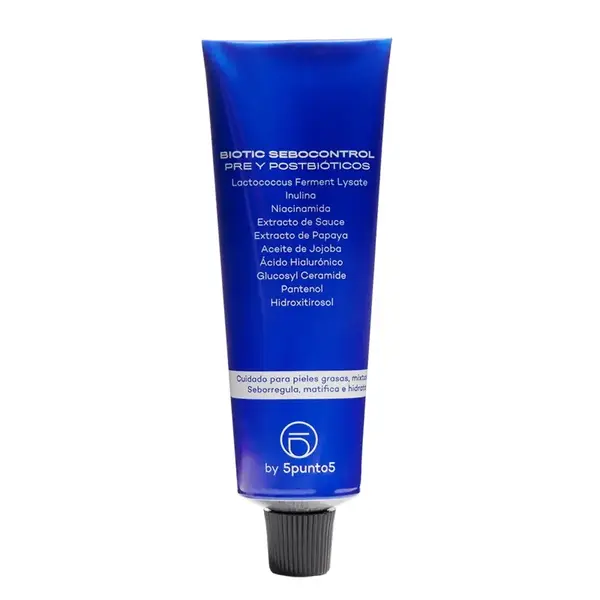
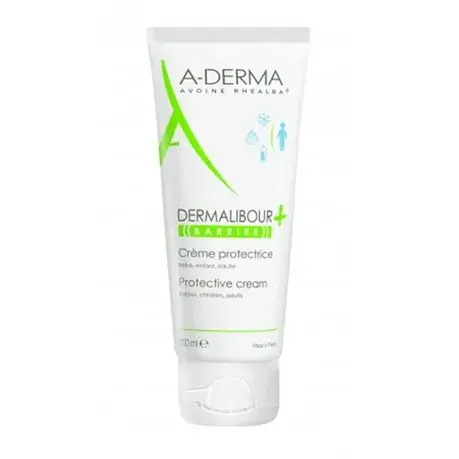
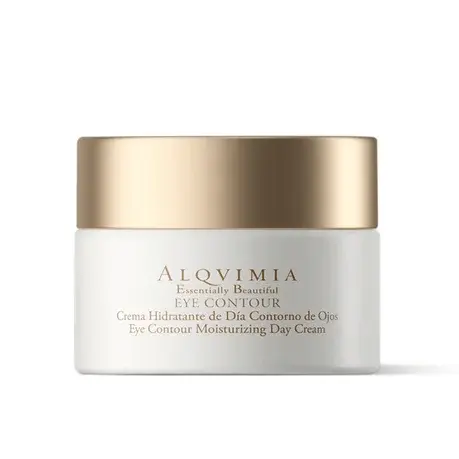
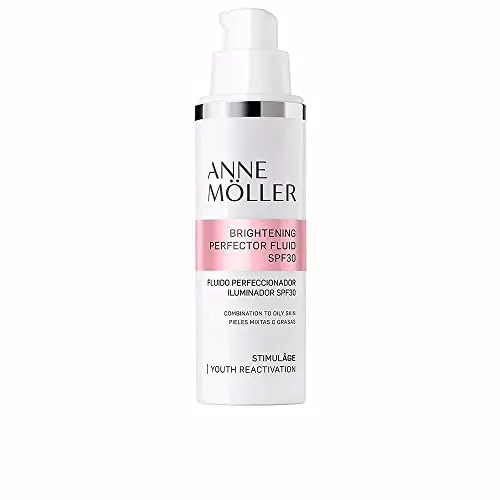
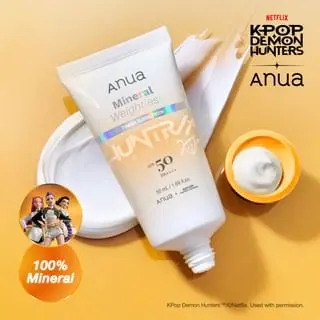
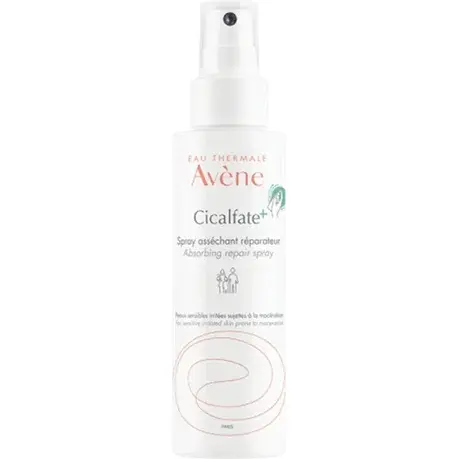
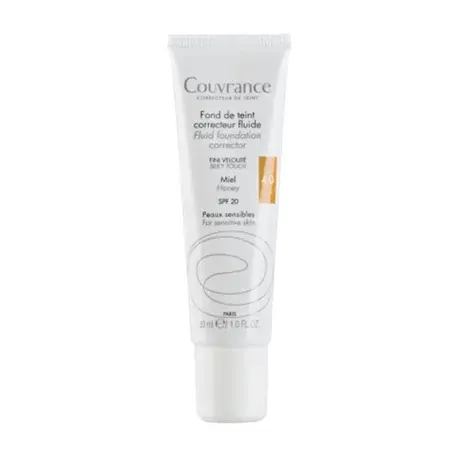
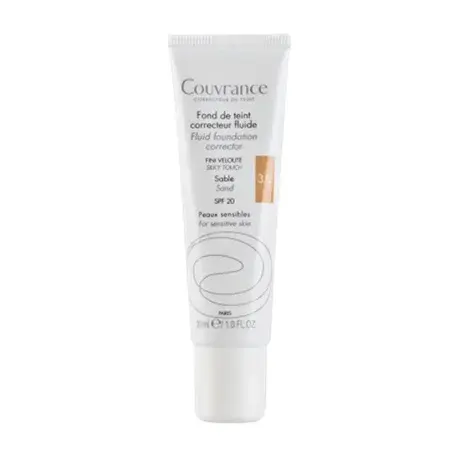
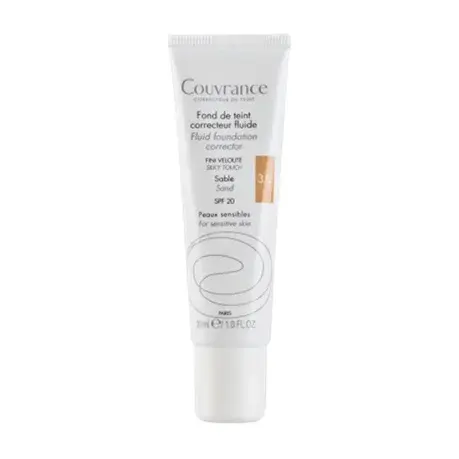
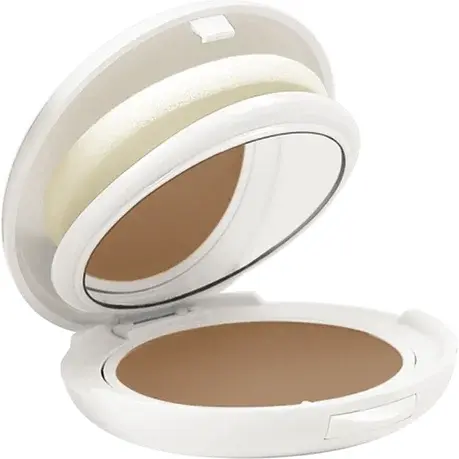
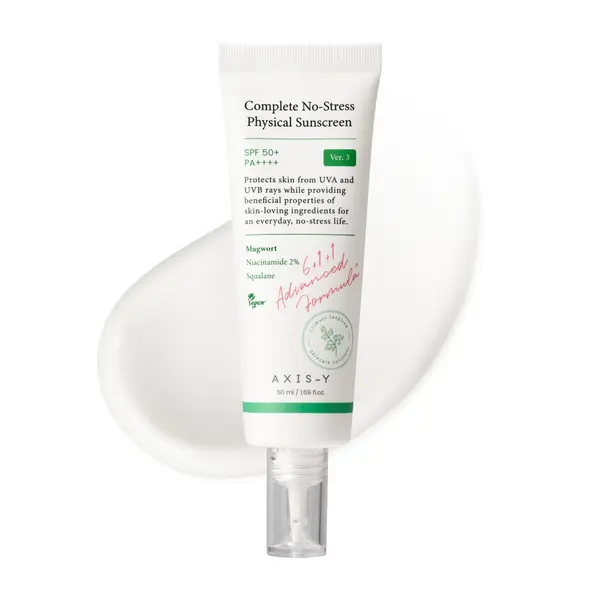
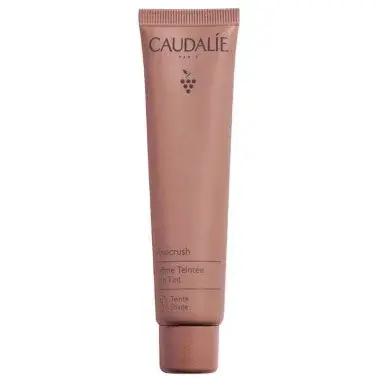
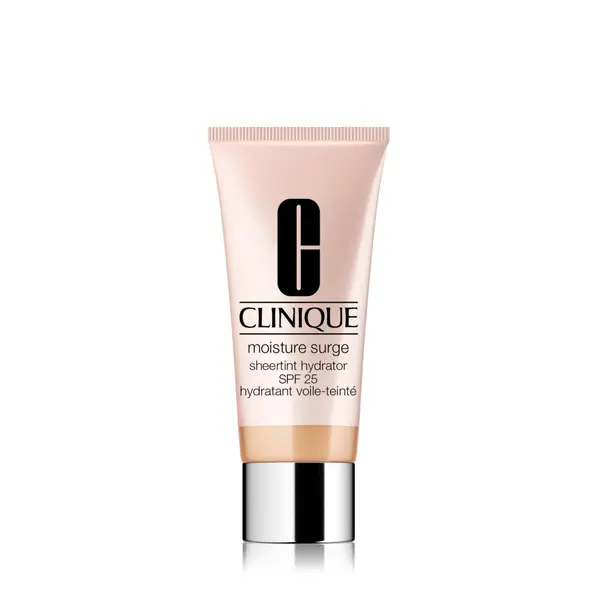
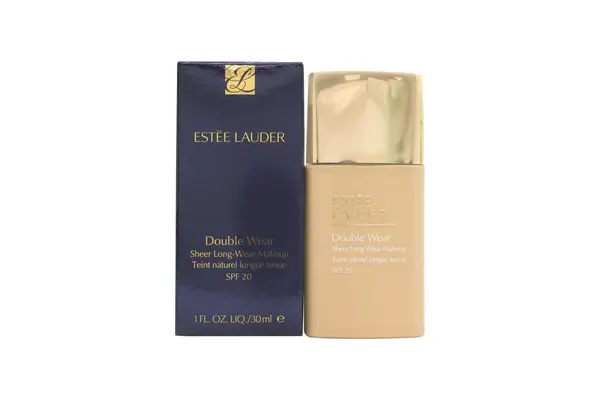
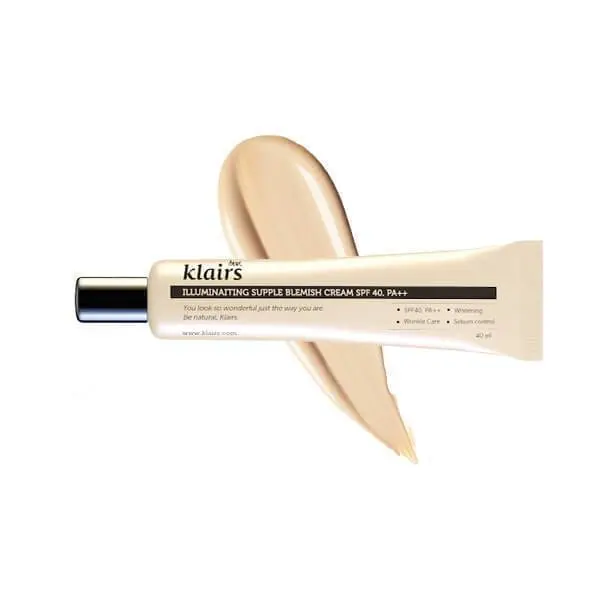
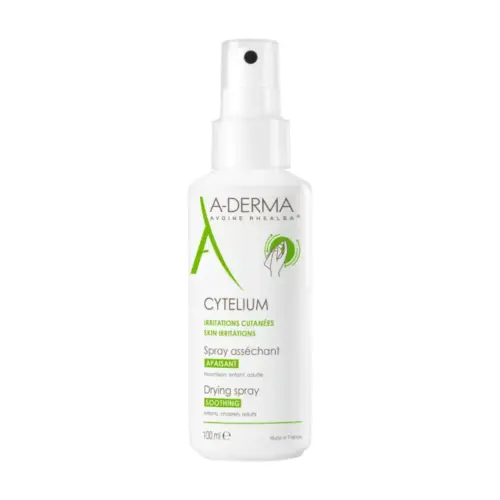
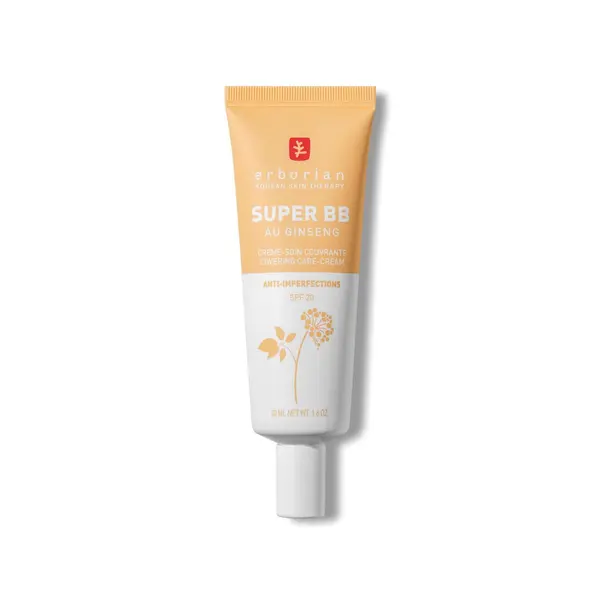
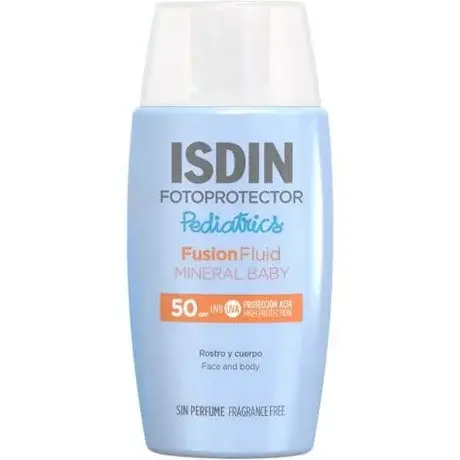
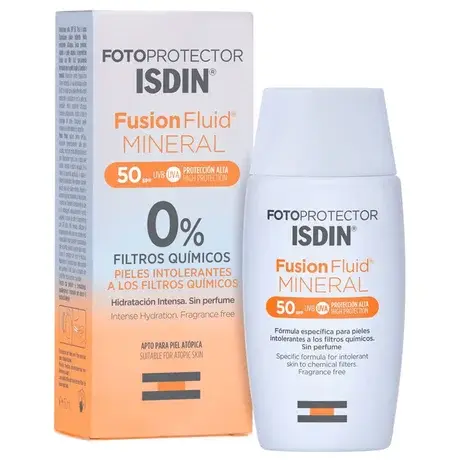
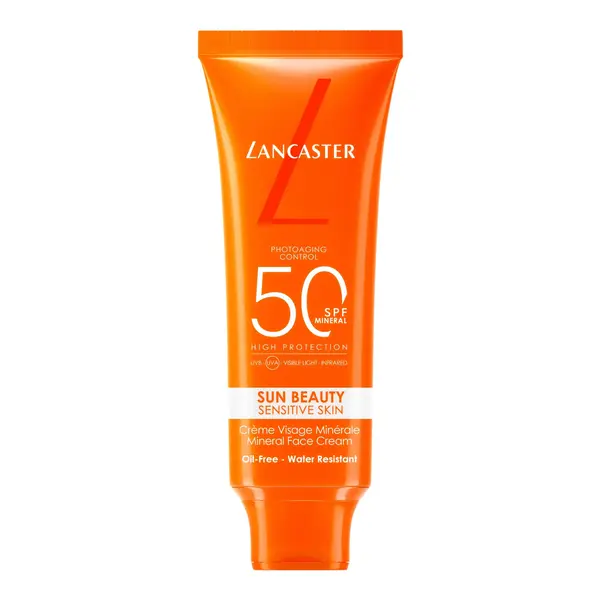
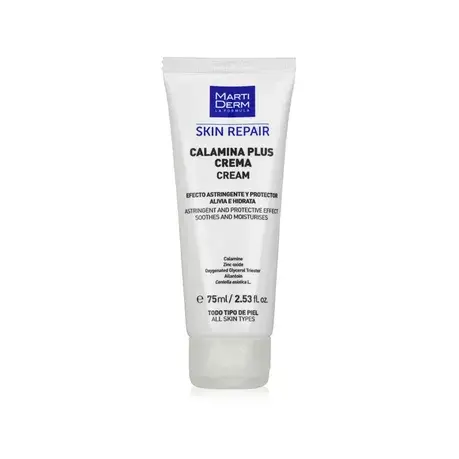
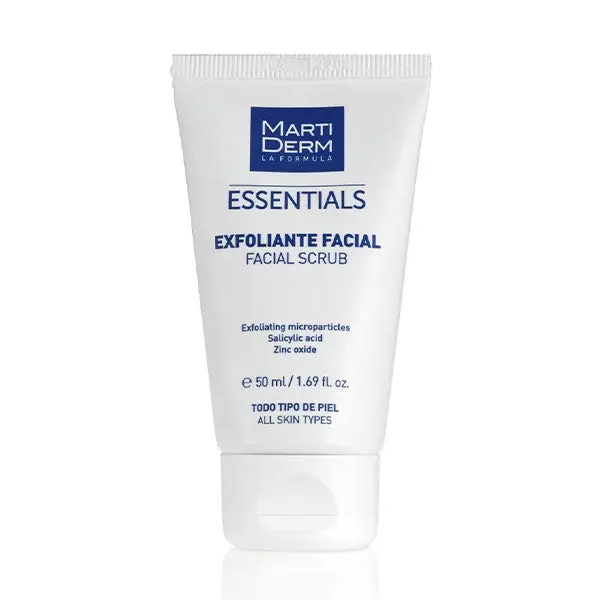
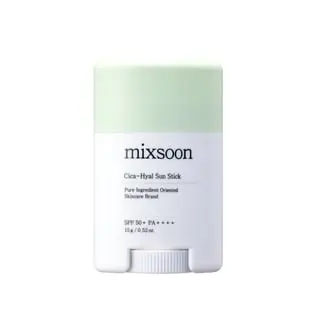
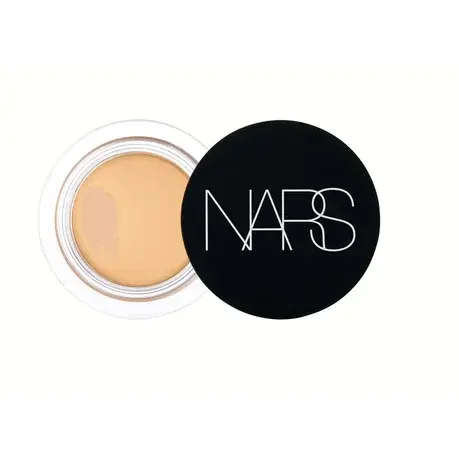
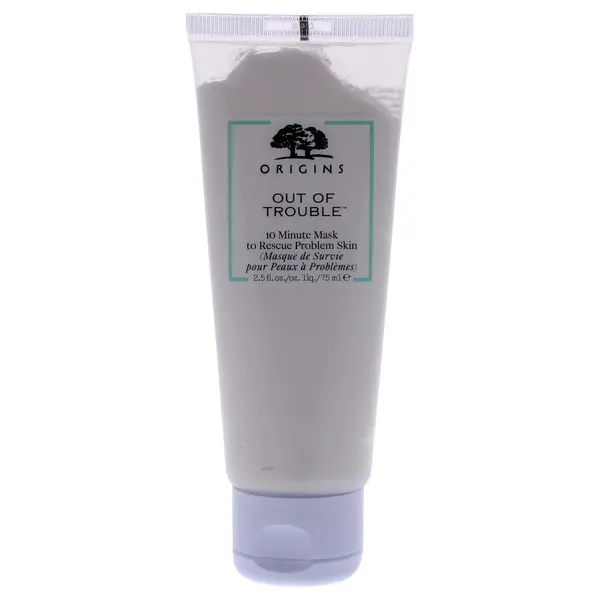
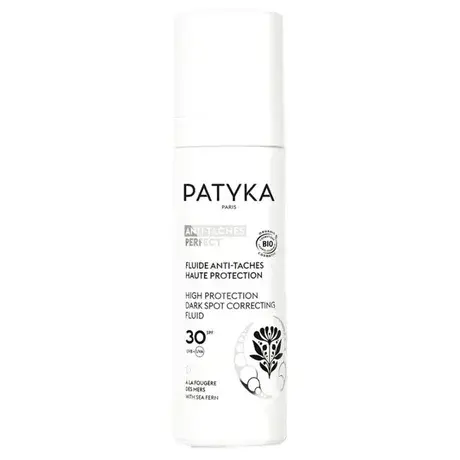
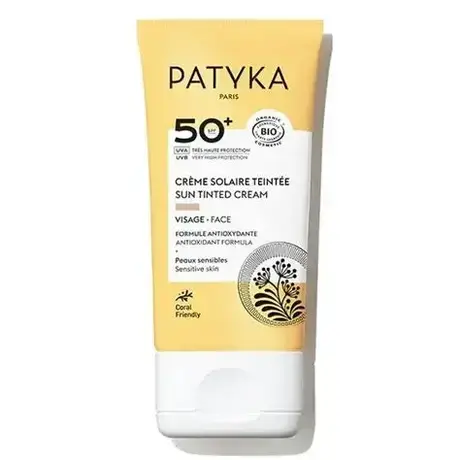
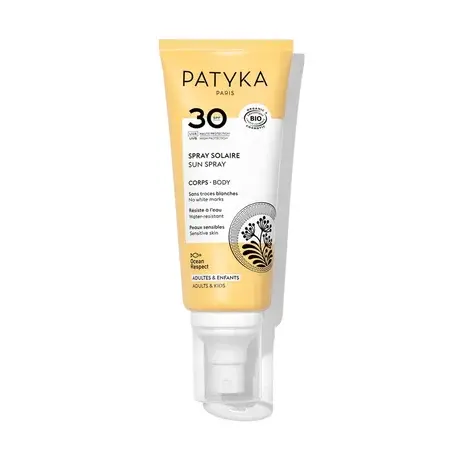
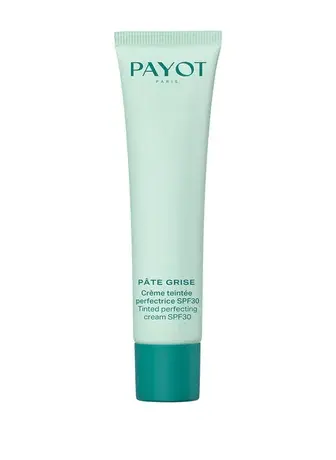
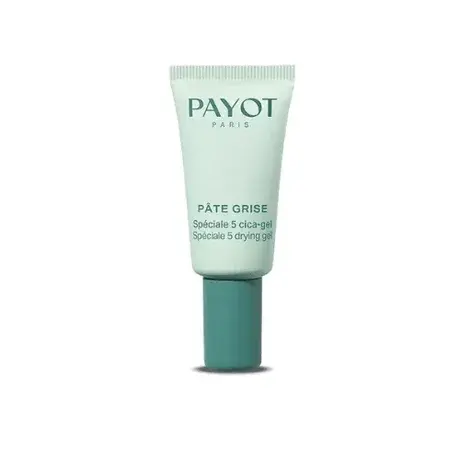
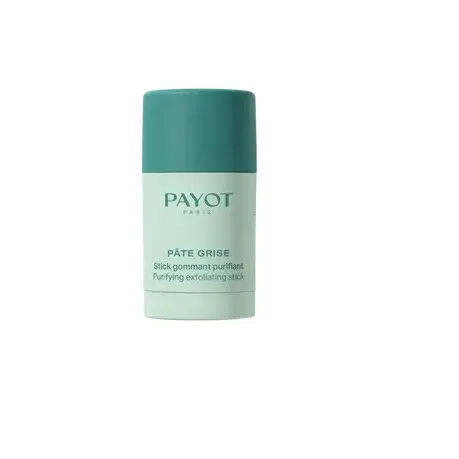
69 products in our catalogue contain it, mostly skincare (75%), body care (12%) and makeup (12%).
In 58% of them it is among the first five ingredients, and it usually sits at number 5. The INCI list runs from the largest amount to the smallest down to 1%, so the higher it is, the more the product contains.
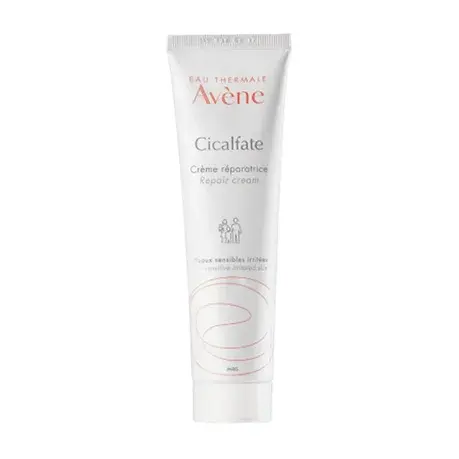
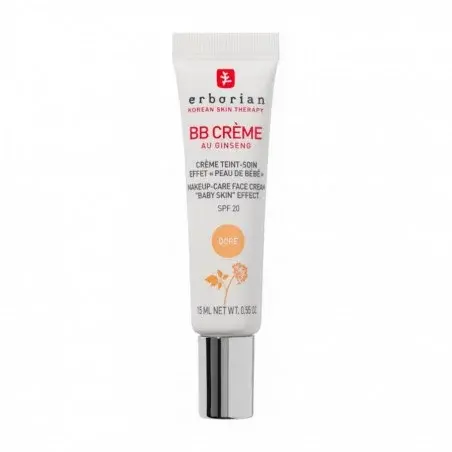
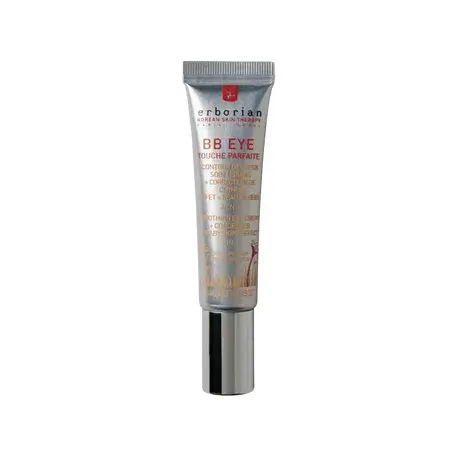
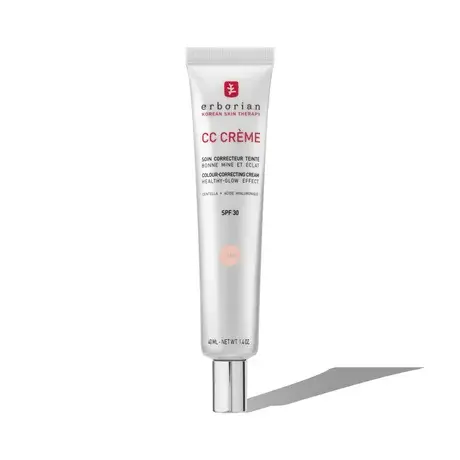
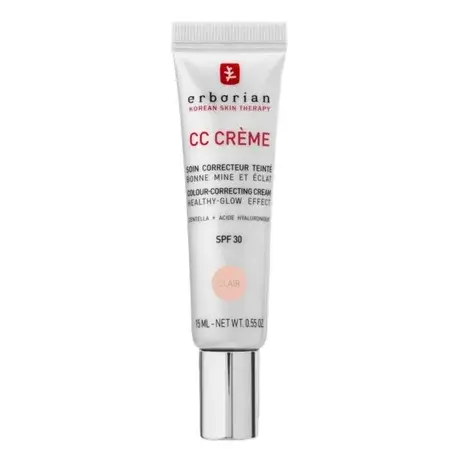
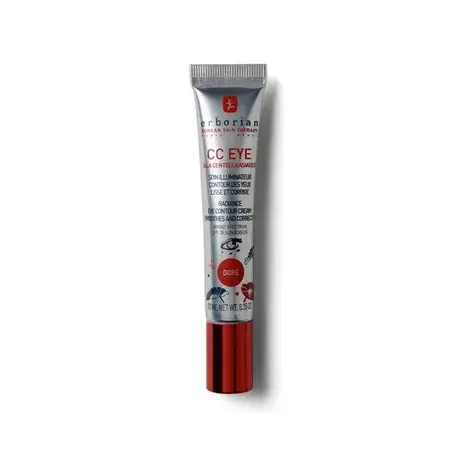
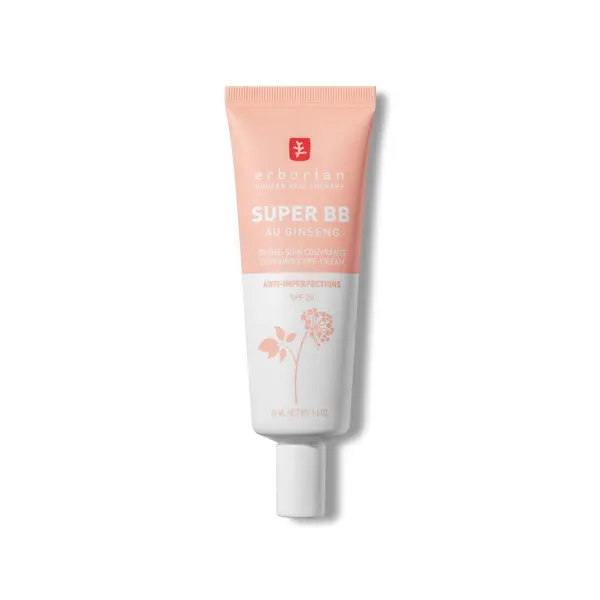
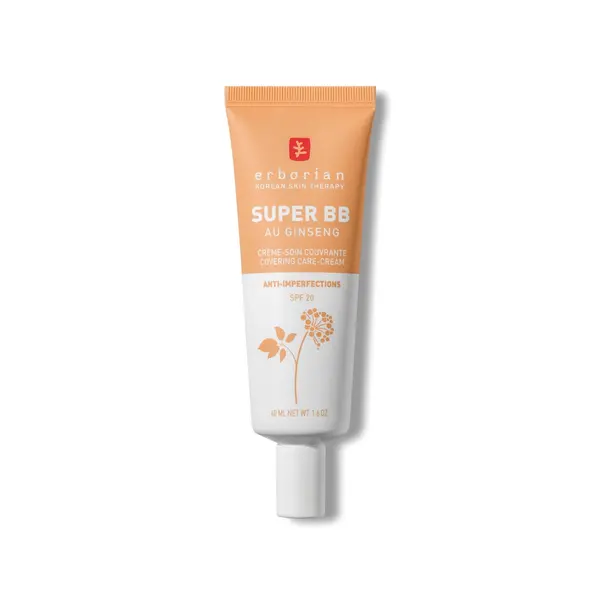
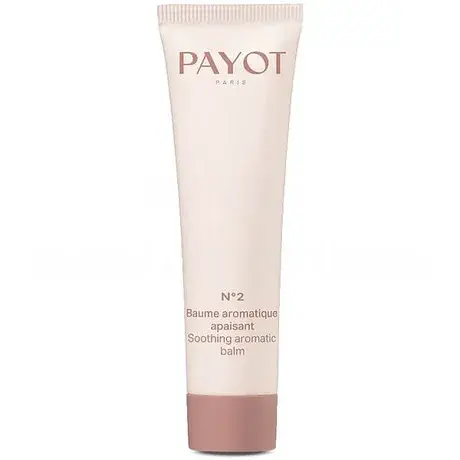
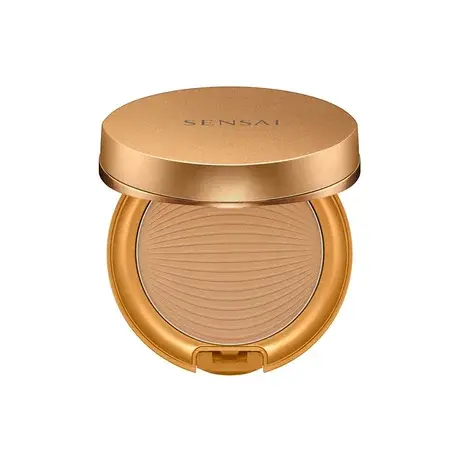
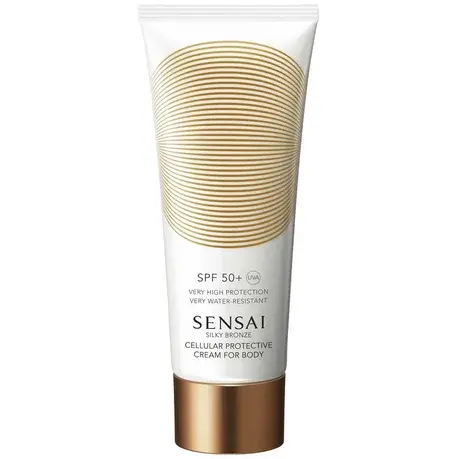
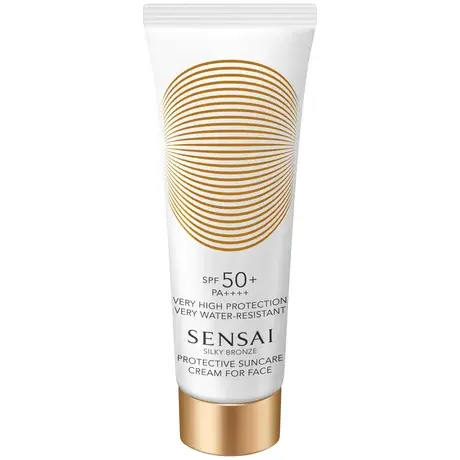
The brands with the most products containing it: ERBORIAN (12), Avène (8), Sisley (5), PAYOT (4) and Sensai (4).
Often found with
Found in 69 products in the catalogue



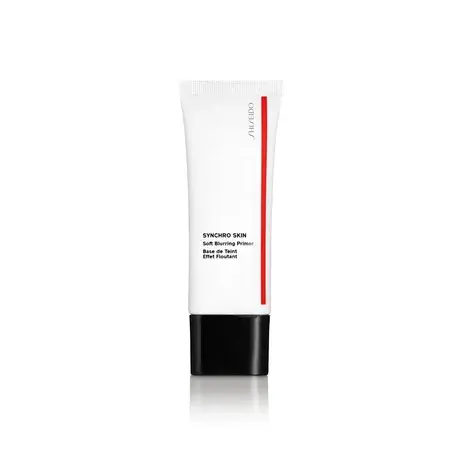
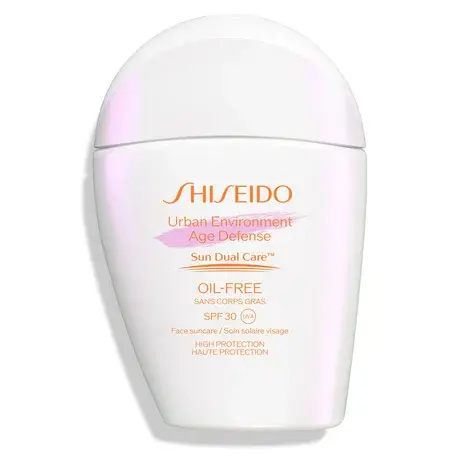
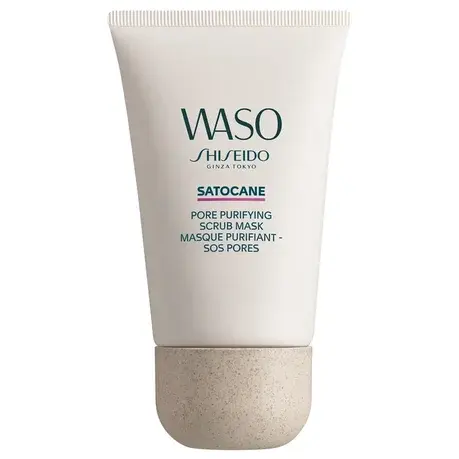
Other ingredients with the same function
UV filter
Technical data
- INCI
- ZINC OXIDE
- CAS
- 1314-13-2
Source: CosIng, European Commission.
We can only analyse products whose ingredients we know, and a brand can reformulate without changing the barcode. If you have an allergy, always check the packaging.
Scan it yourself
With the app you point at the barcode and get this in a second, plus alerts when the price drops.
Get GlowPrice