
What is PHENOXYETHANOL?
Allowed with a limit · Annex V
One of the most used preservatives in cosmetics, especially in products marketed as “paraben-free”. It stops bacteria from growing once the pack is open.
What it does in cosmetics
- PreservativeStops bacteria and fungi from growing in the product, especially once it is opened and touched by fingers and water. Allowed preservatives and their maximum doses are listed in Annex V of the Regulation.
- AntimicrobialHelps control the growth of micro-organisms on the skin.
Functions as listed in CosIng, the European Commission’s cosmetic ingredients database. Explanation ours.
What the EU Regulation says
It is authorised by Regulation 1223/2009 (Annex V) up to 1 %. Having a limit does not mean it is dangerous: it means the Commission has assessed it and set how far it can be used.
Which products contain it
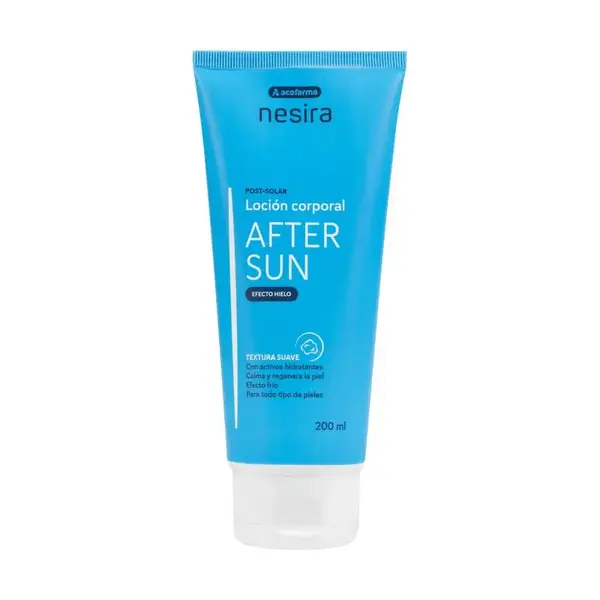
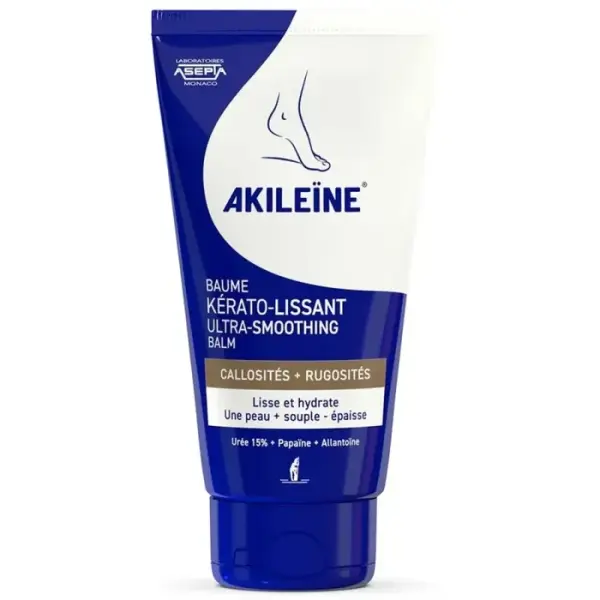
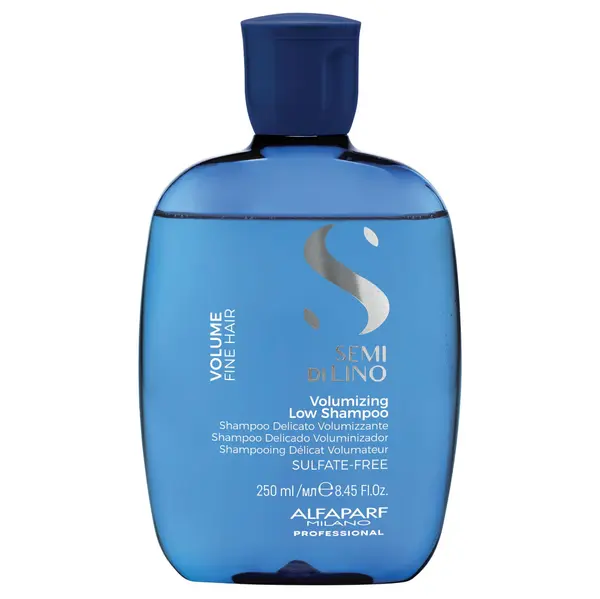
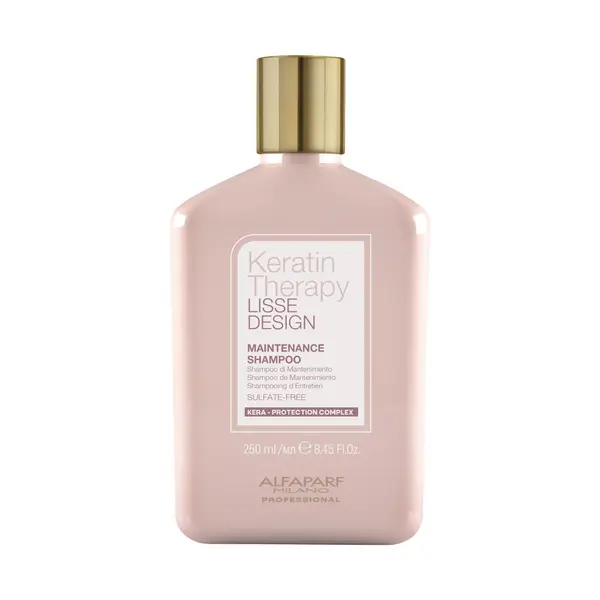
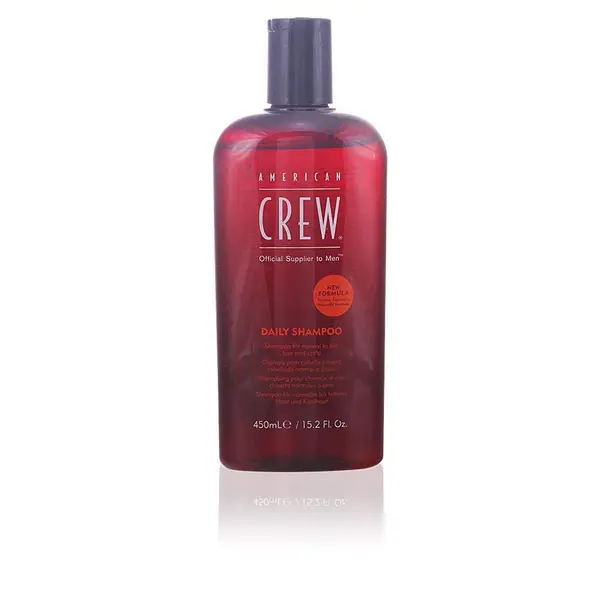
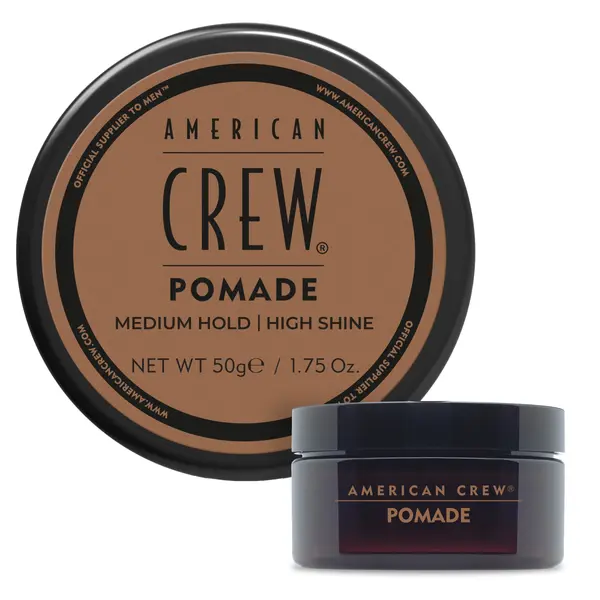
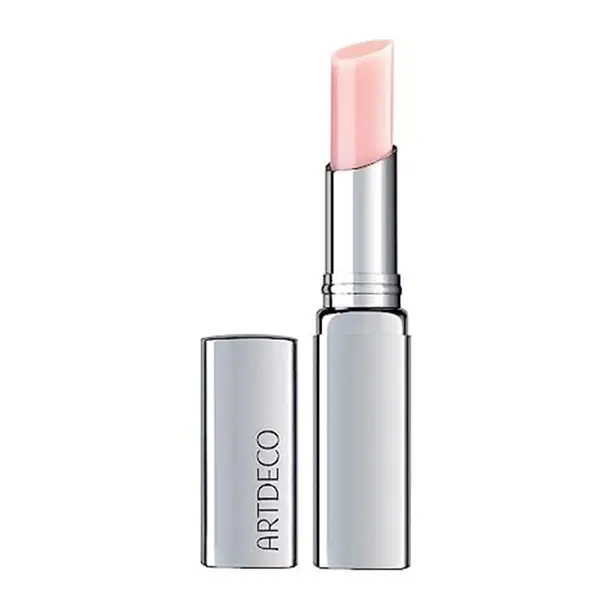
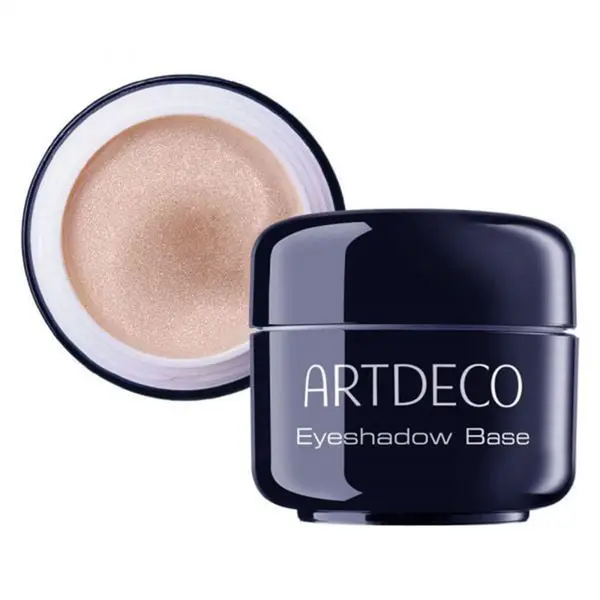
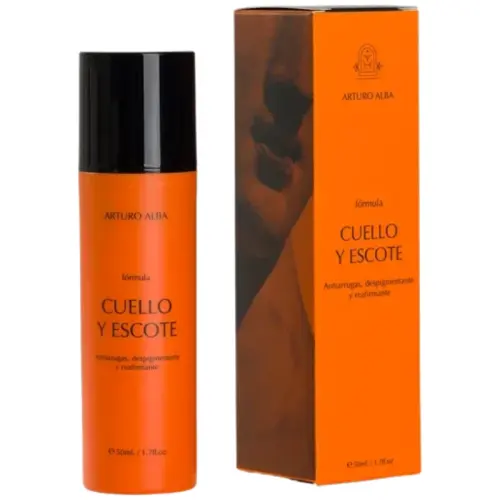
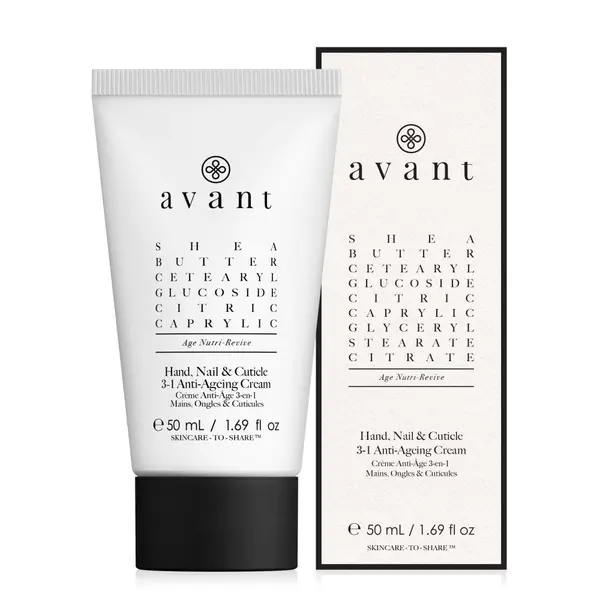
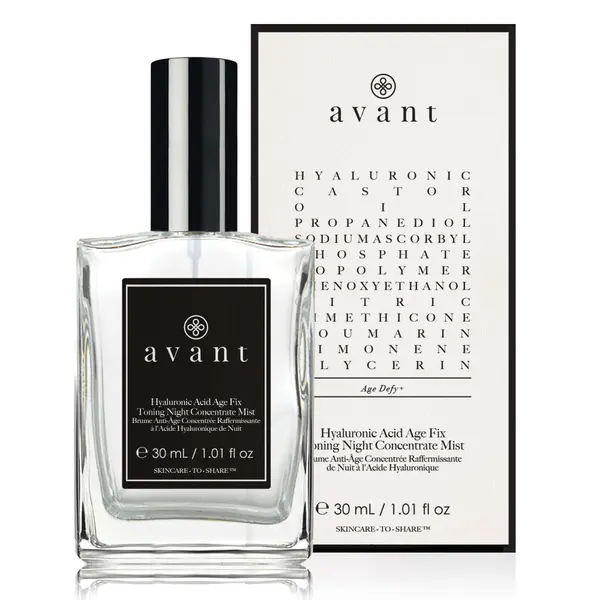
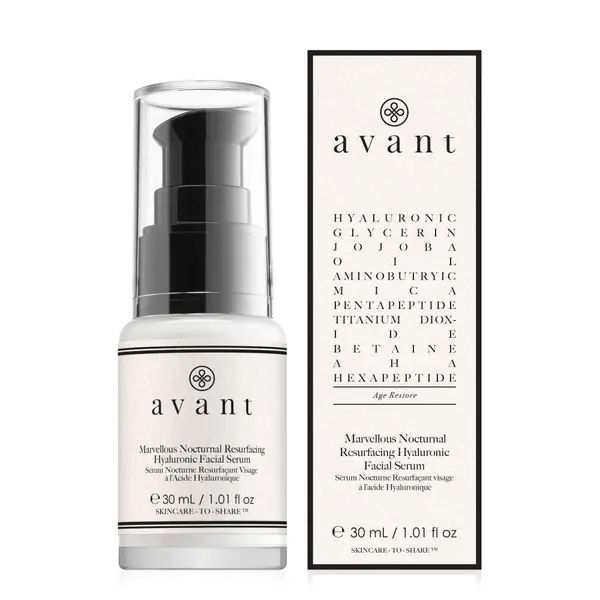
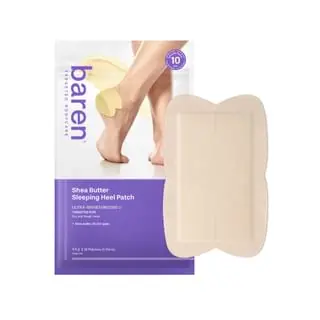
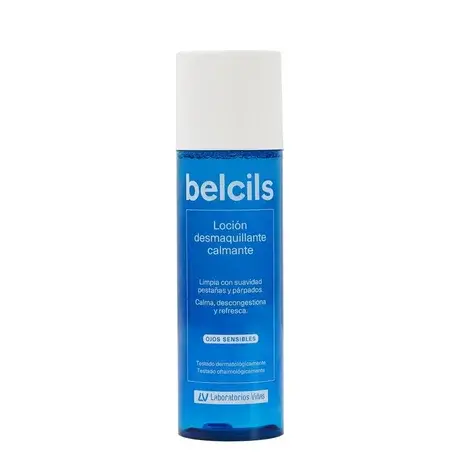
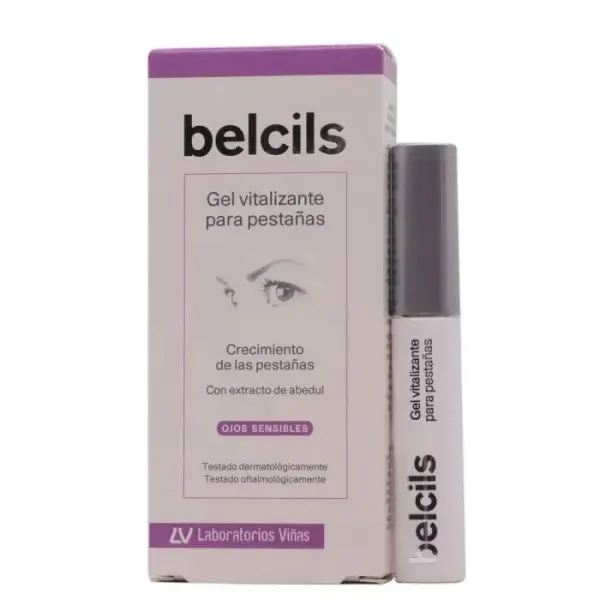
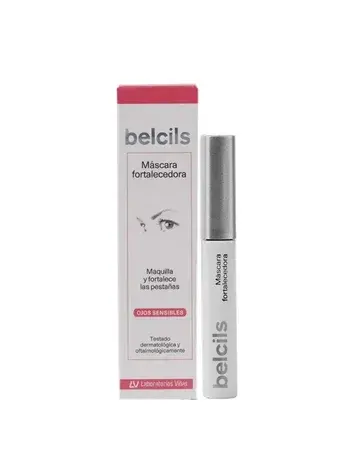
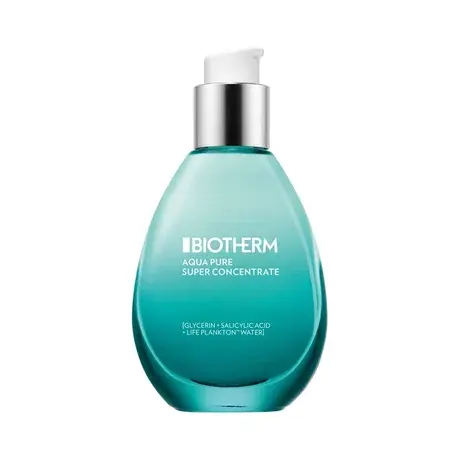
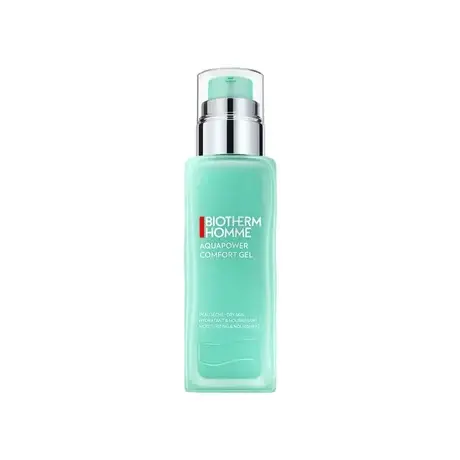
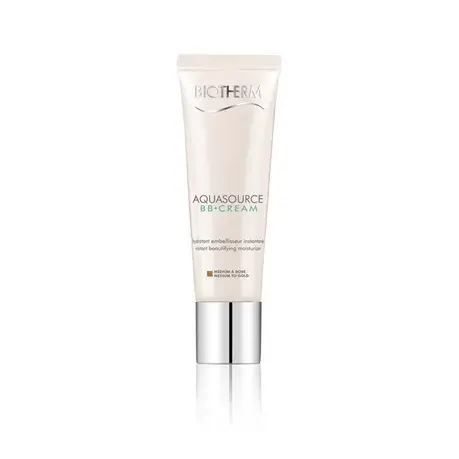
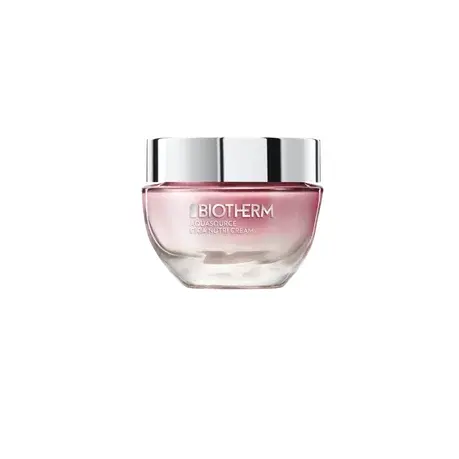
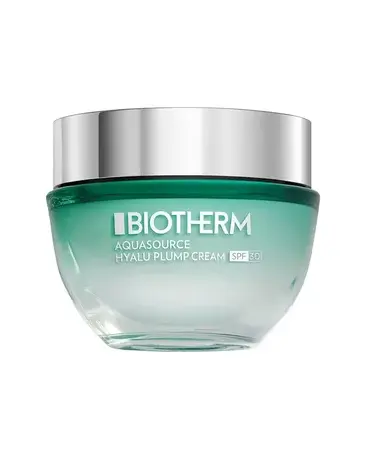
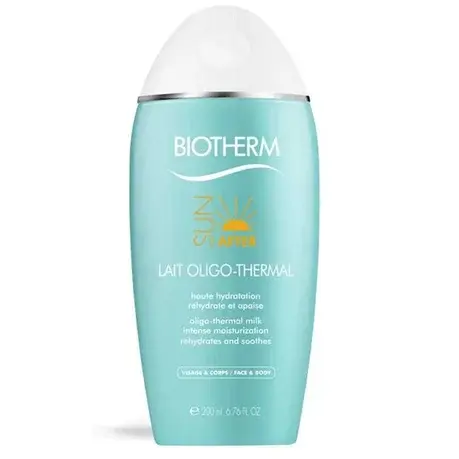
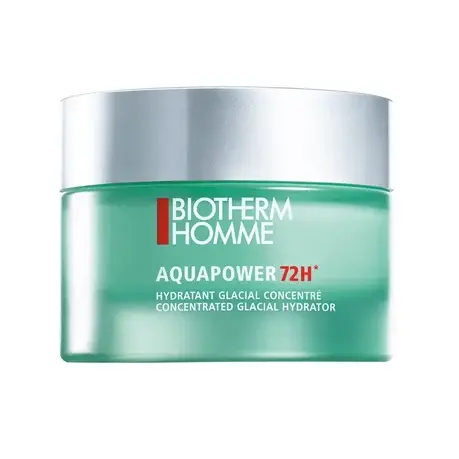
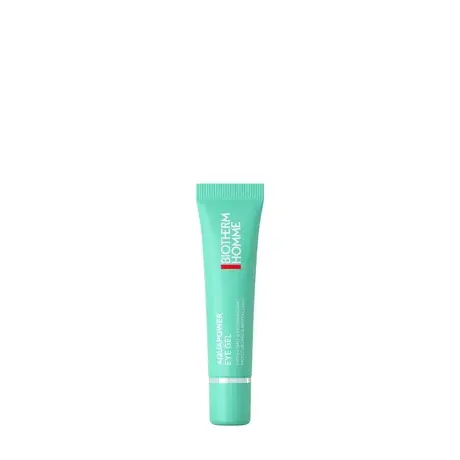
1,260 products in our catalogue contain it, mostly skincare (56%), makeup (18%) and hair care (14%).
It is hardly ever among the first five ingredients: it usually sits at number 22. The INCI list runs from the largest amount to the smallest down to 1%, so the higher it is, the more the product contains.
The brands with the most products containing it: Shiseido (108), Sensai (96), Sisley (73), LANCÔME (65) and NARS (47).
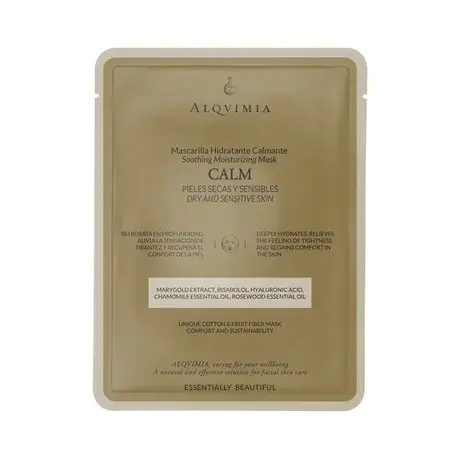
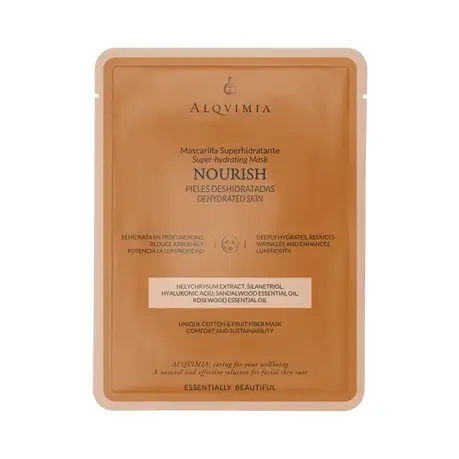
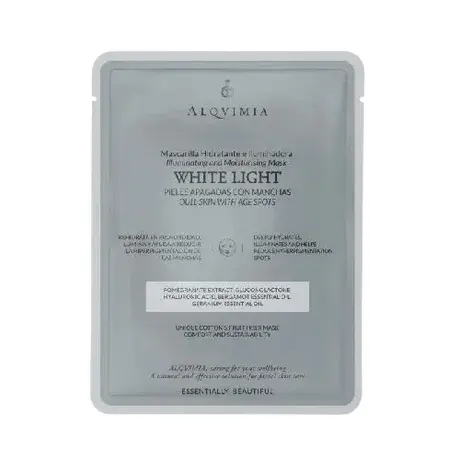
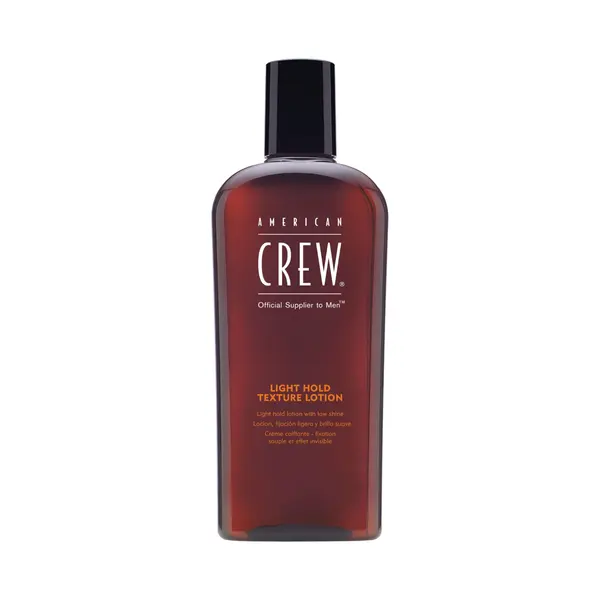
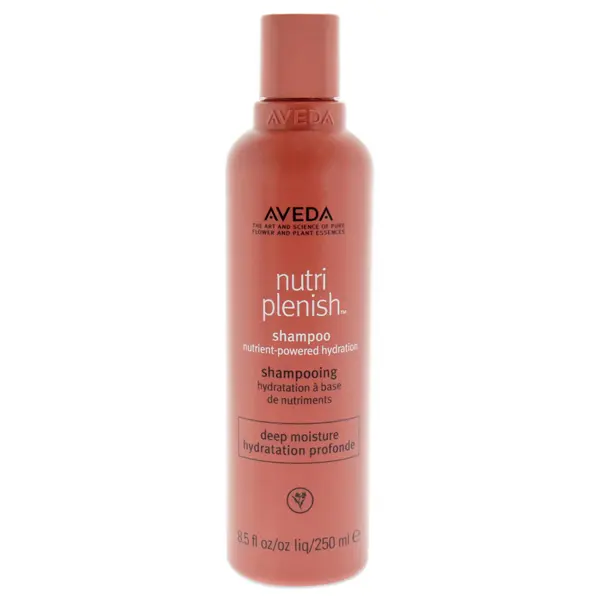
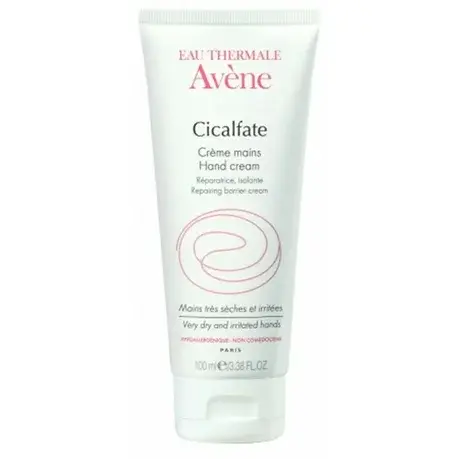
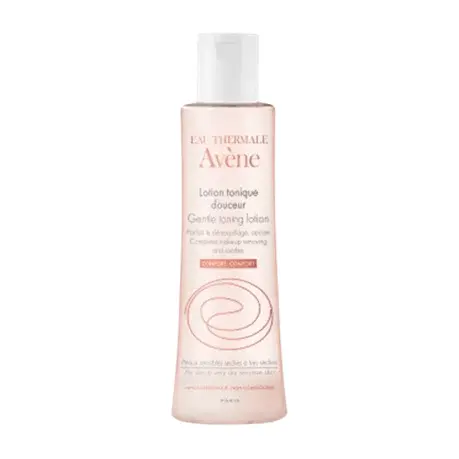
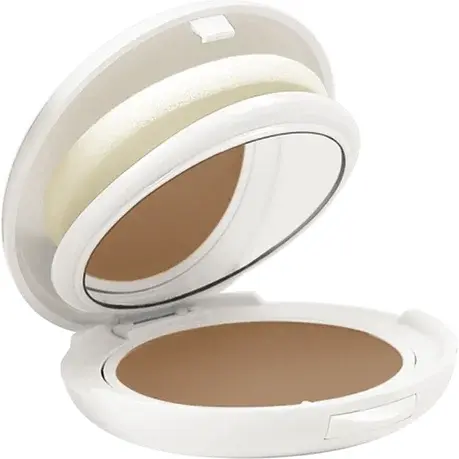
Often found with
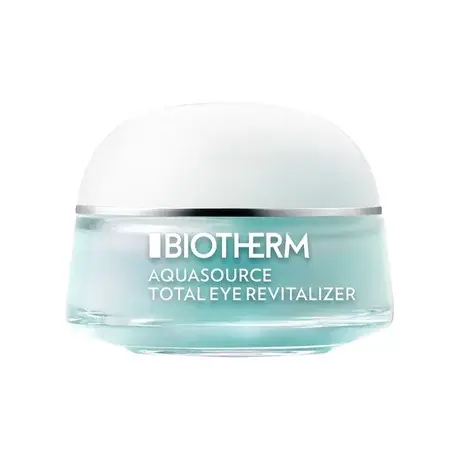
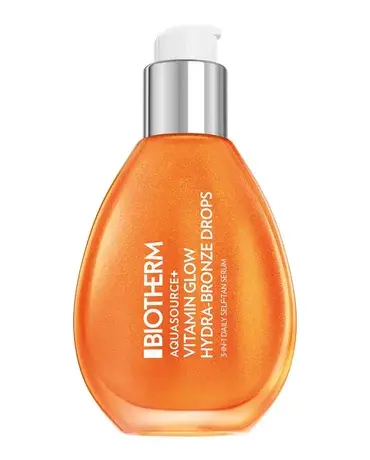
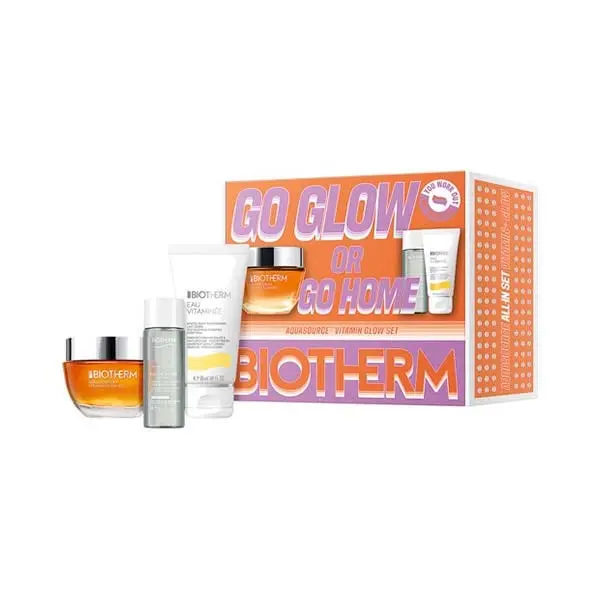
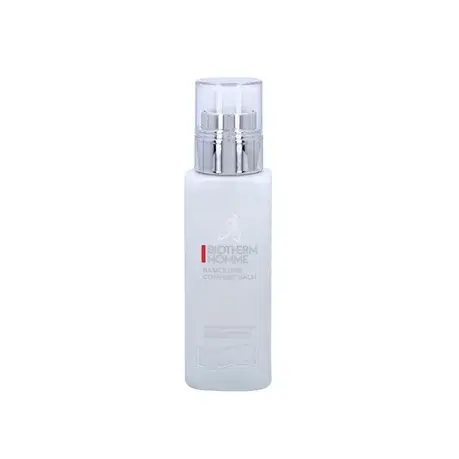
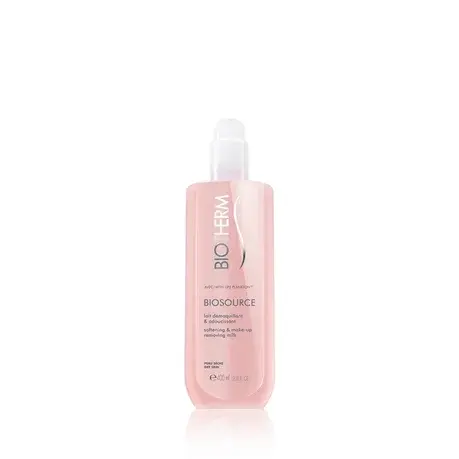
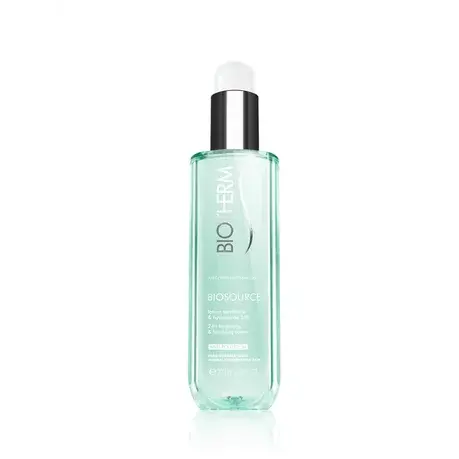
Found in 1,260 products in the catalogue
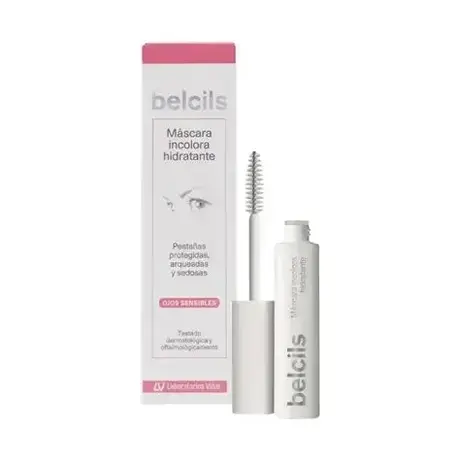
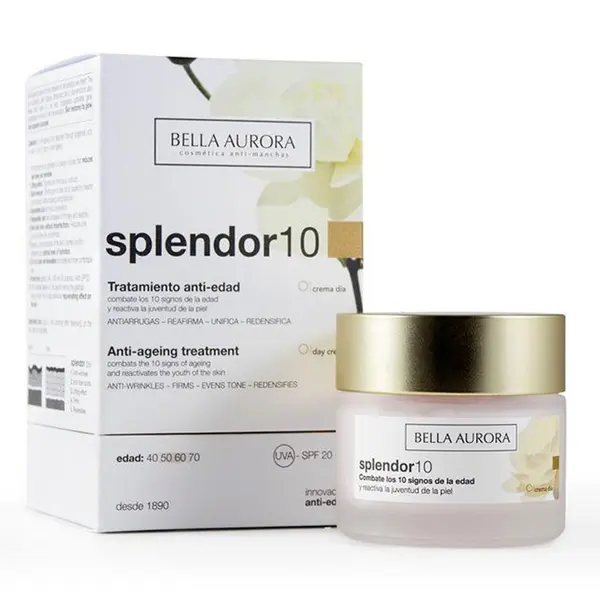
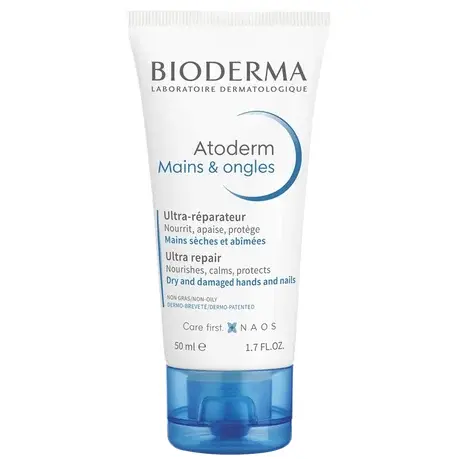
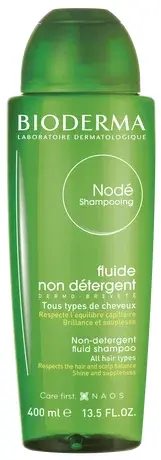
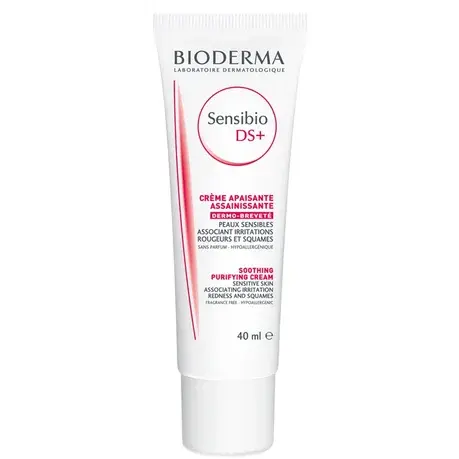
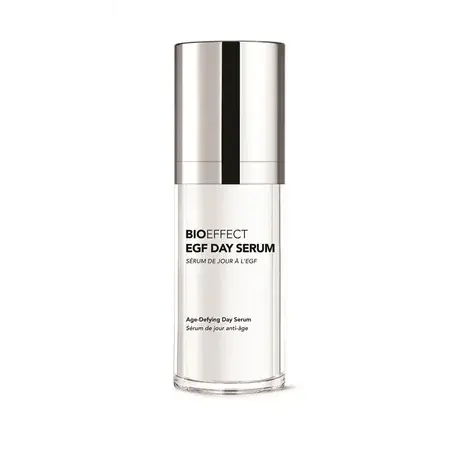
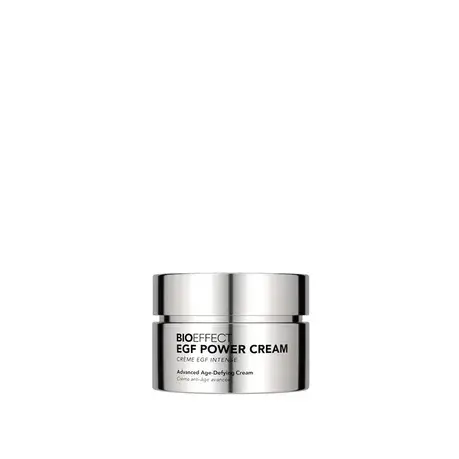
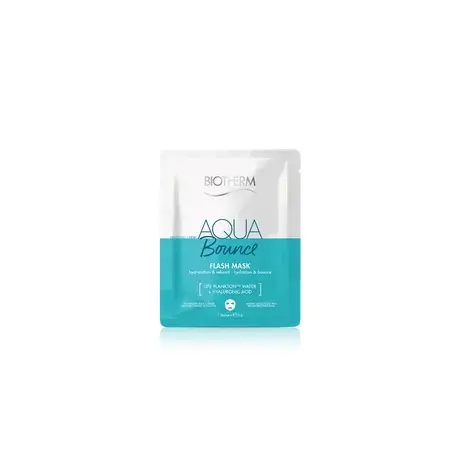
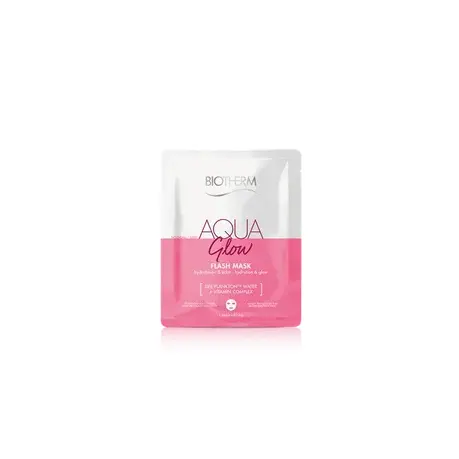
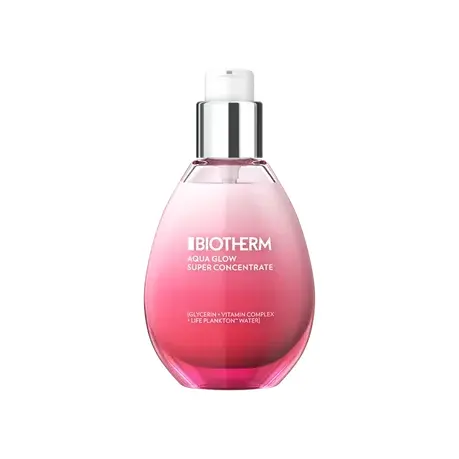
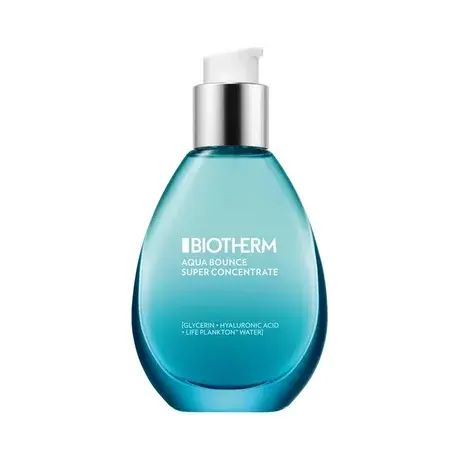
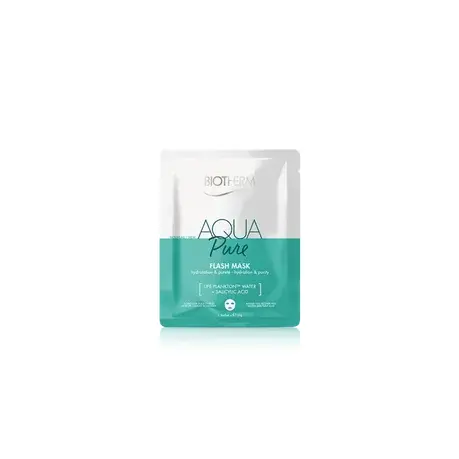
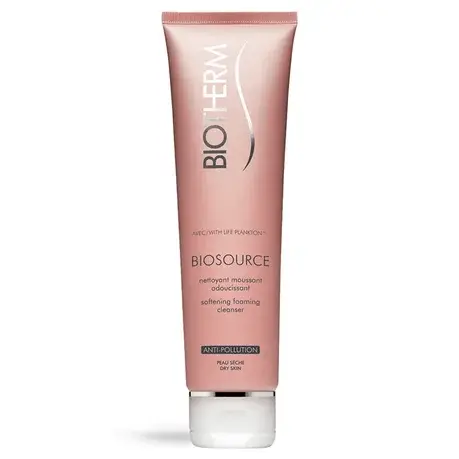
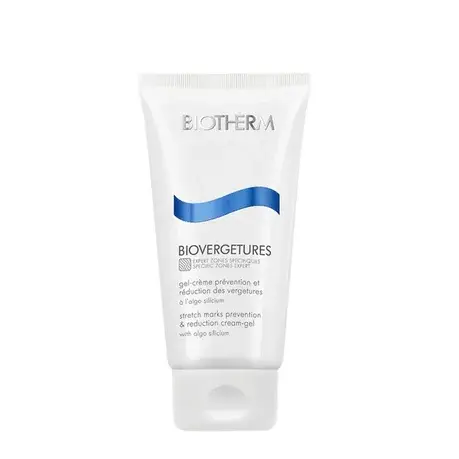
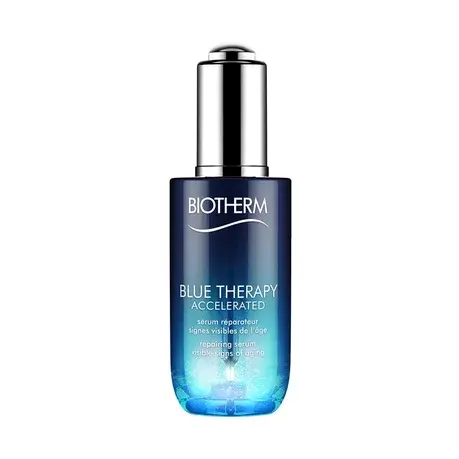
Other ingredients with the same function
Preservative
Technical data
- INCI
- PHENOXYETHANOL
- CAS
- 122-99-6
Source: CosIng, European Commission.
We can only analyse products whose ingredients we know, and a brand can reformulate without changing the barcode. If you have an allergy, always check the packaging.
Scan it yourself
With the app you point at the barcode and get this in a second, plus alerts when the price drops.
Get GlowPrice