
What is LINALOOL?
Allergen that must be declared · Annex III
A scent molecule found naturally in lavender, coriander and bergamot, and also manufactured. It smells floral and fresh, and appears in perfumes and many scented products.
What it does in cosmetics
- PerfumingGives the product its scent.
- DeodorantReduces or masks body odour.
Functions as listed in CosIng, the European Commission’s cosmetic ingredients database. Explanation ours.
What the EU Regulation says
It is one of the allergens that must be declared under Annex III. Brands must list it when it exceeds 0.001 % in a leave-on product or 0.01 % in a rinse-off one. Most people do not react to it; those who do need to be able to find it, which is why the law requires naming it.
Which products contain it
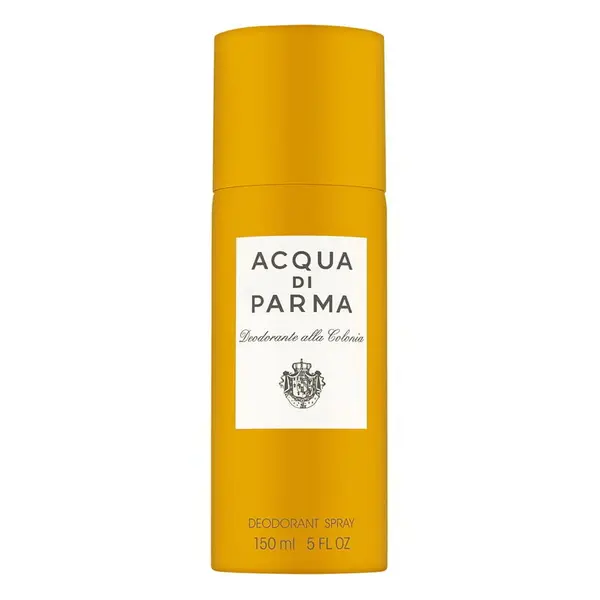
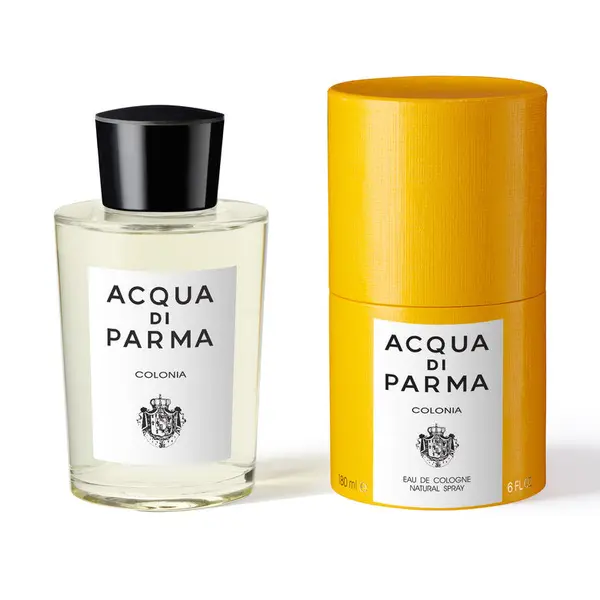
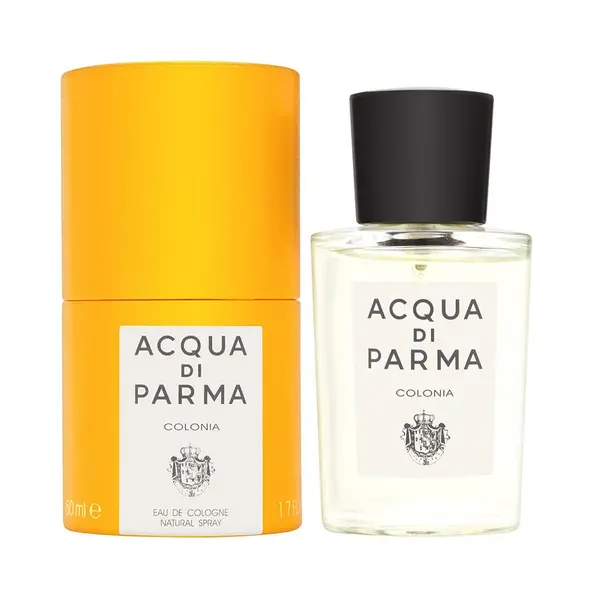
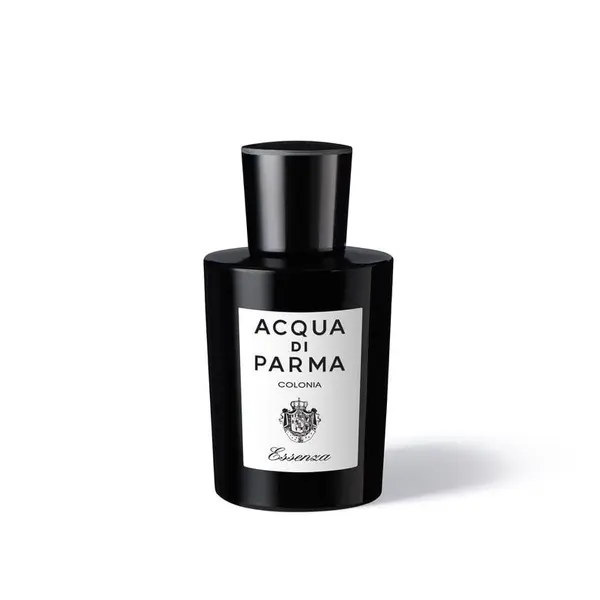
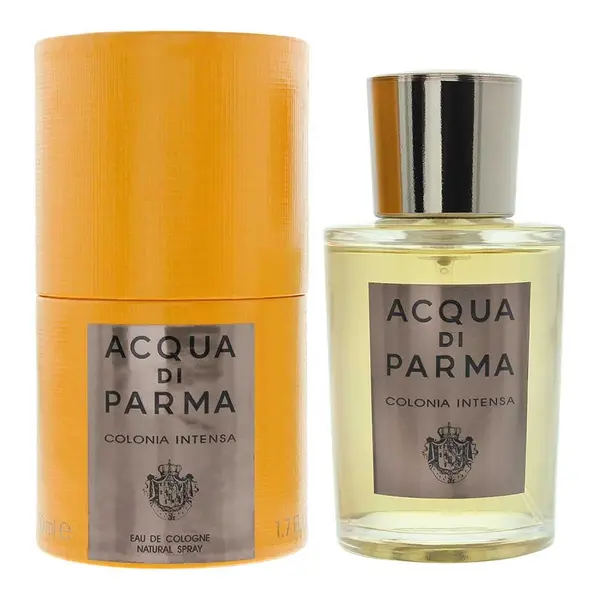
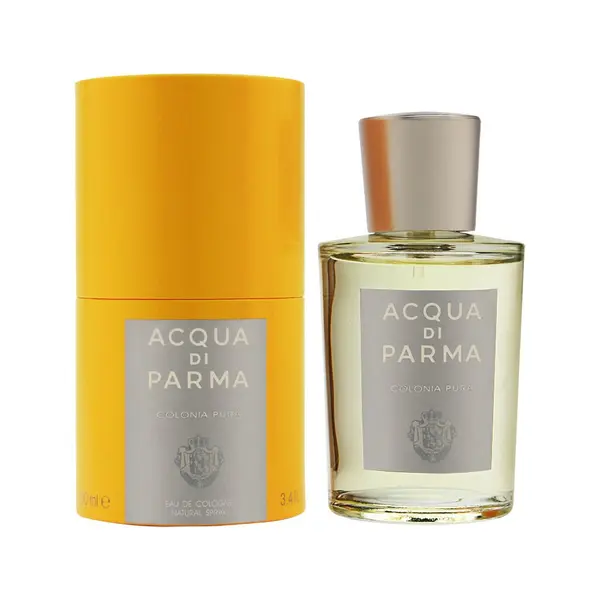
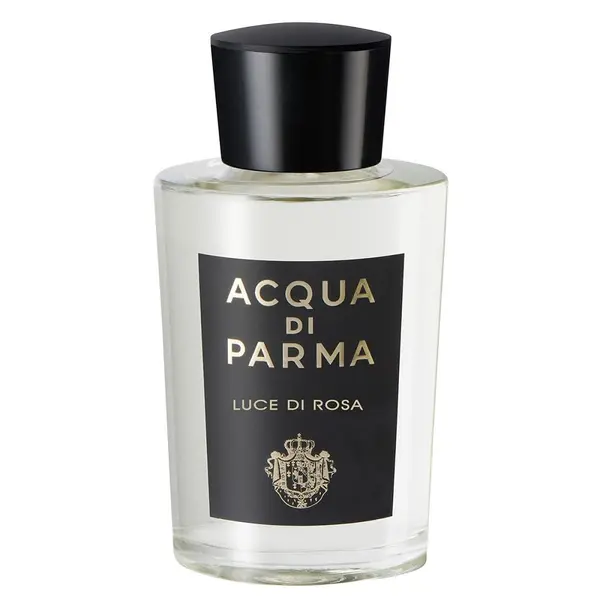
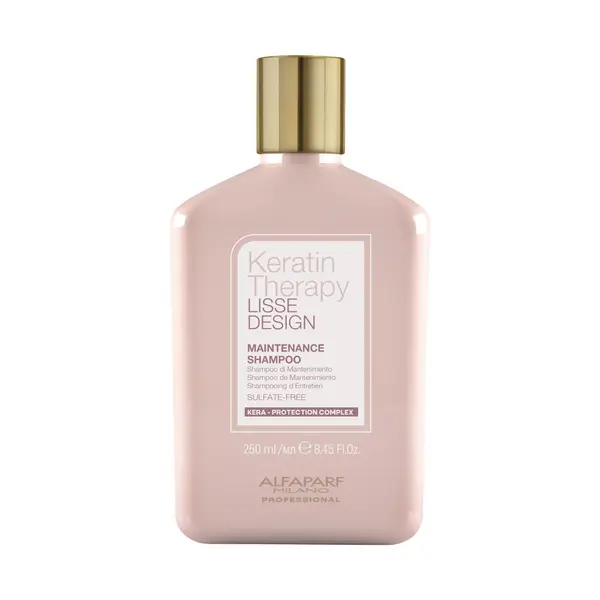
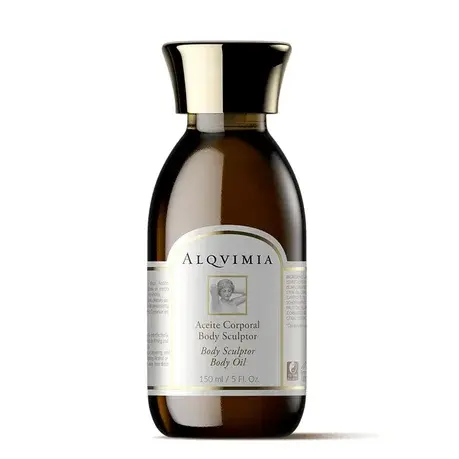
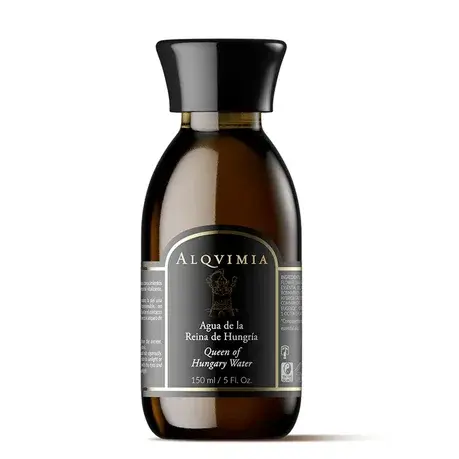
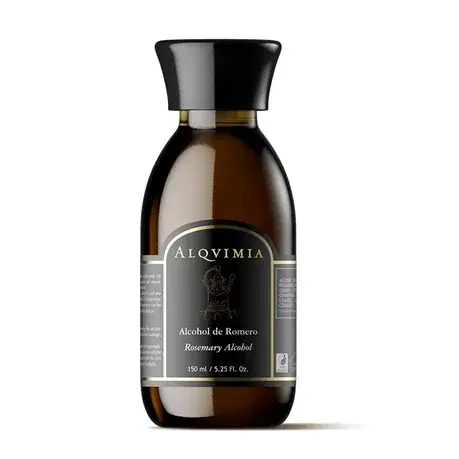
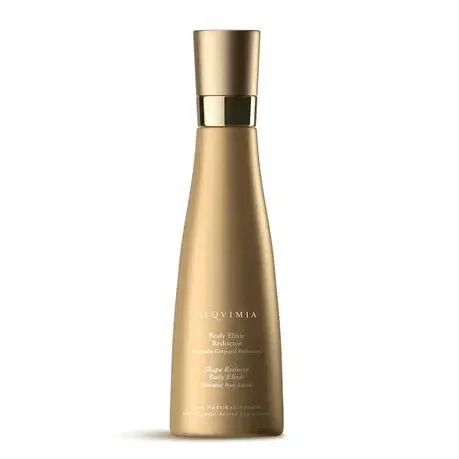
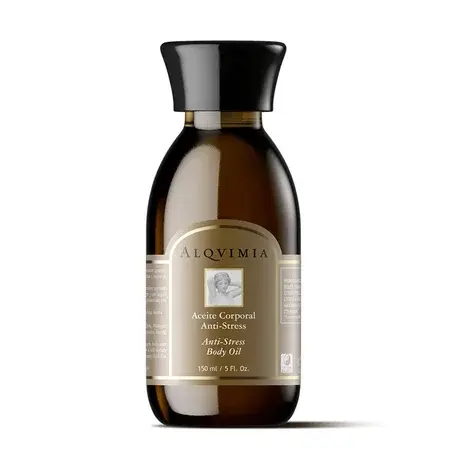
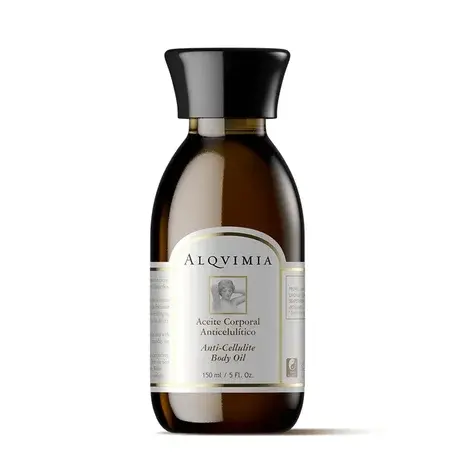
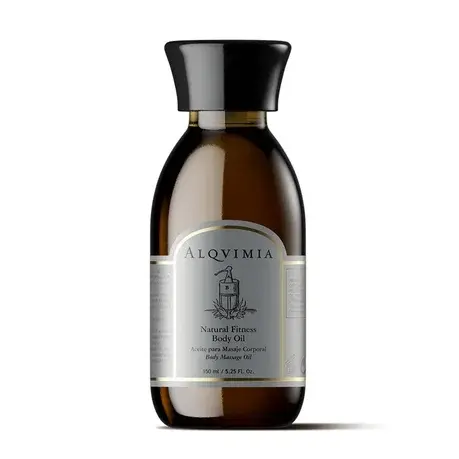
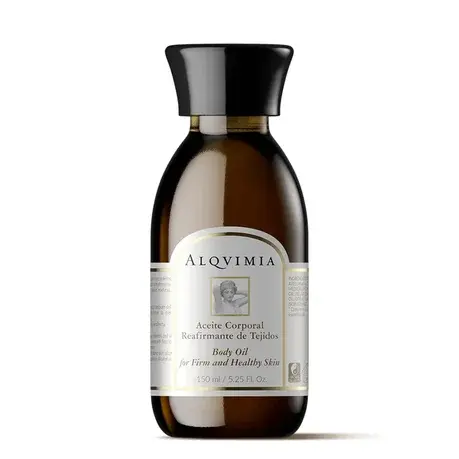
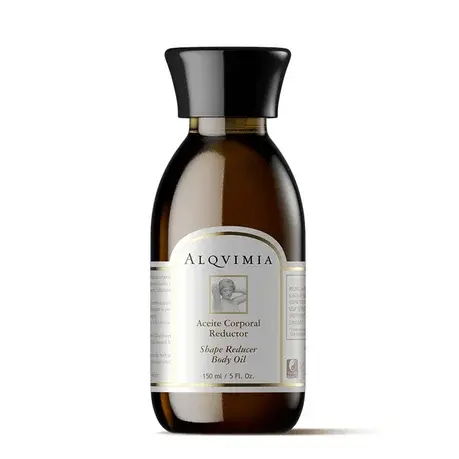
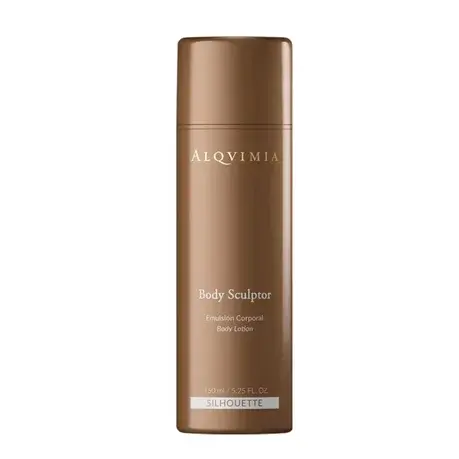
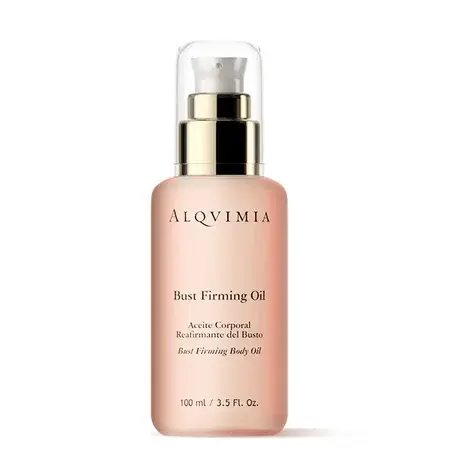
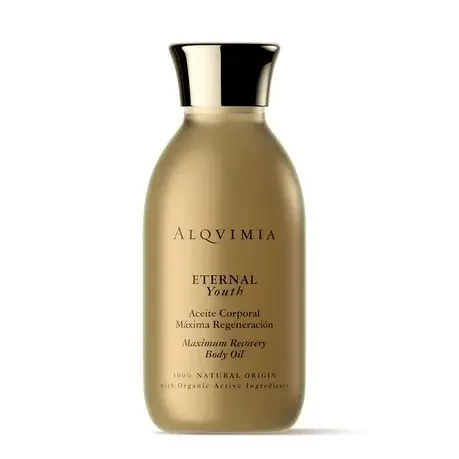
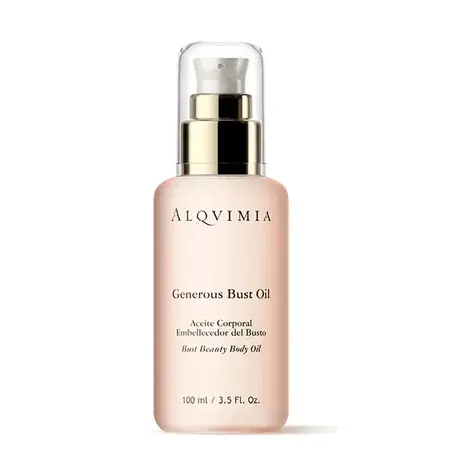
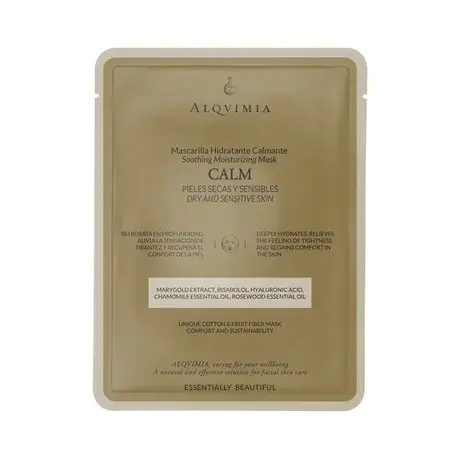
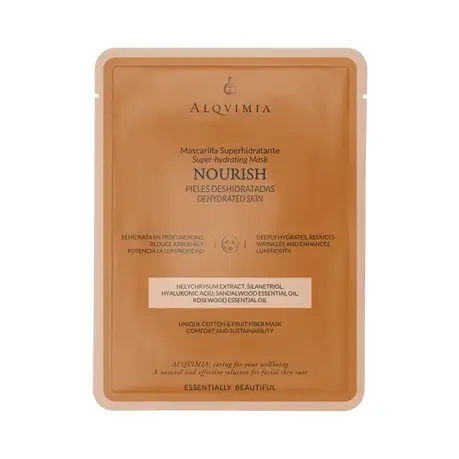
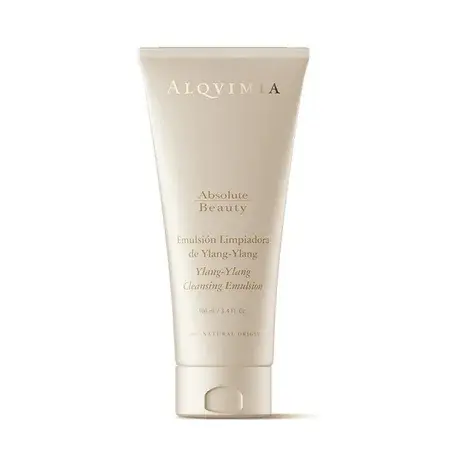
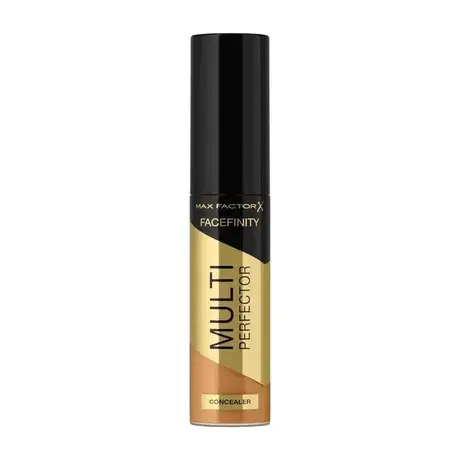
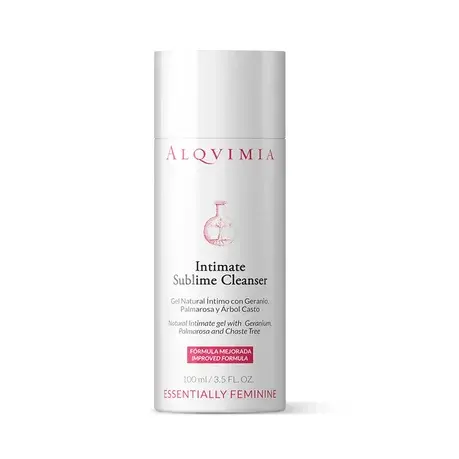
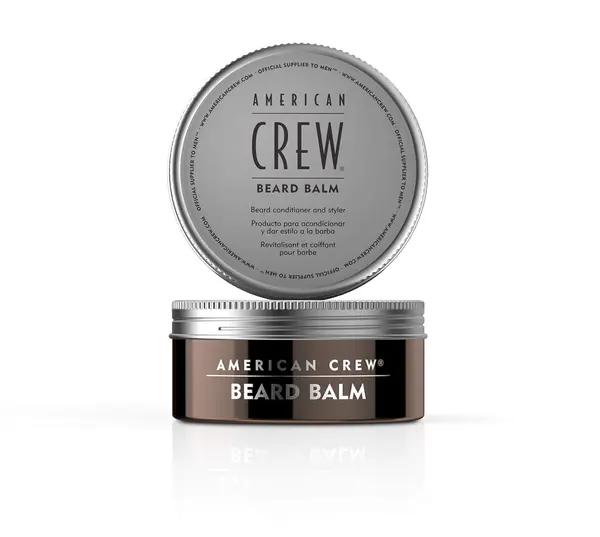
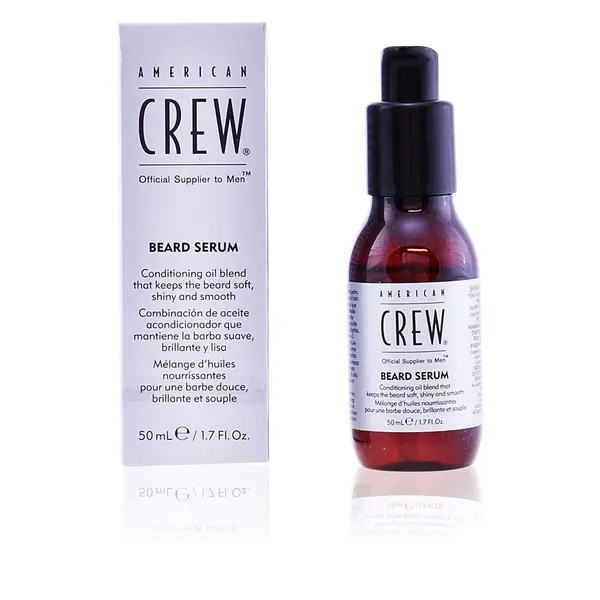
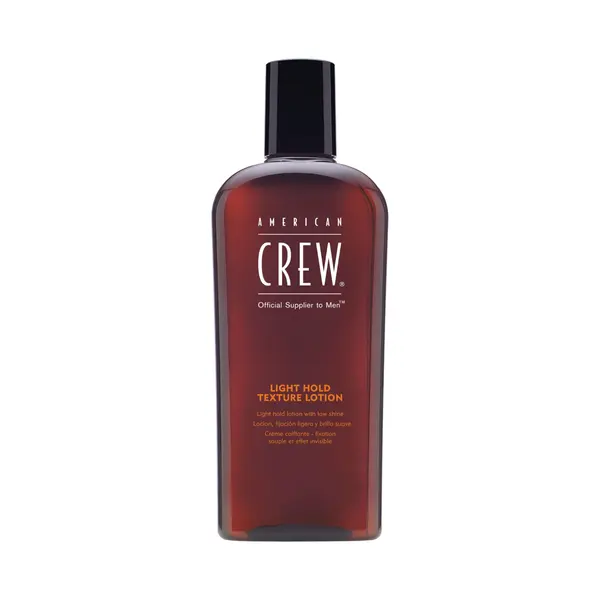
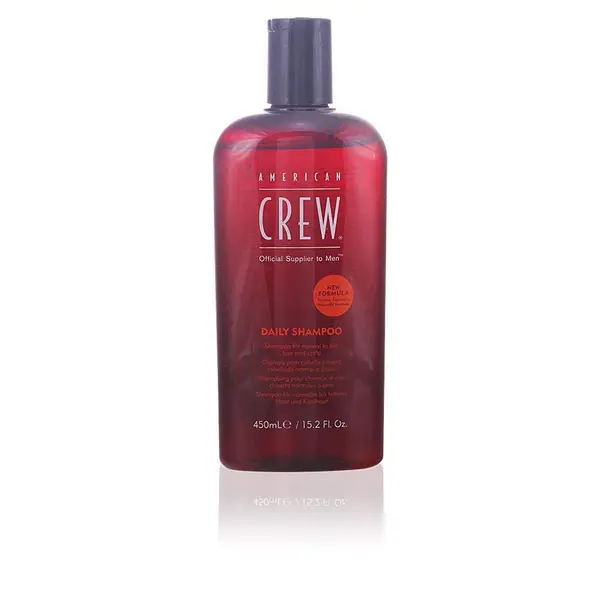
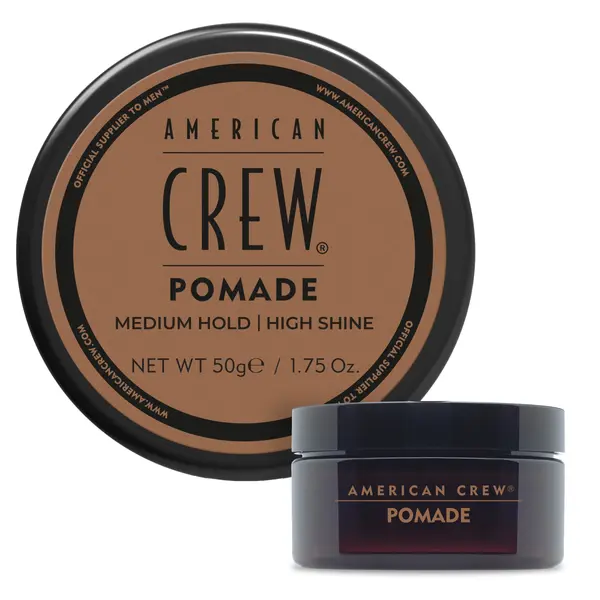
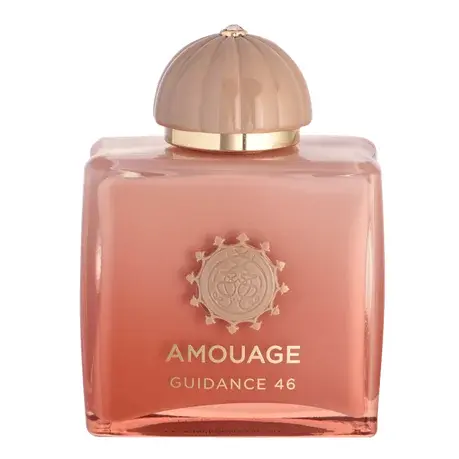
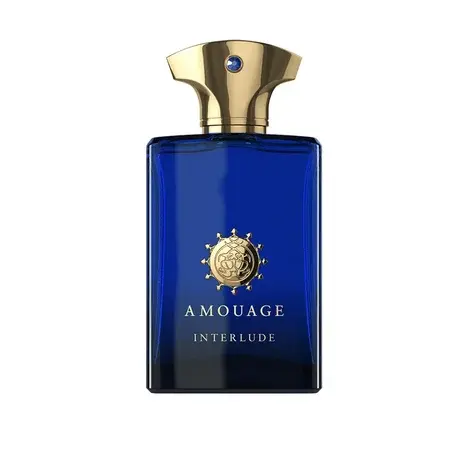
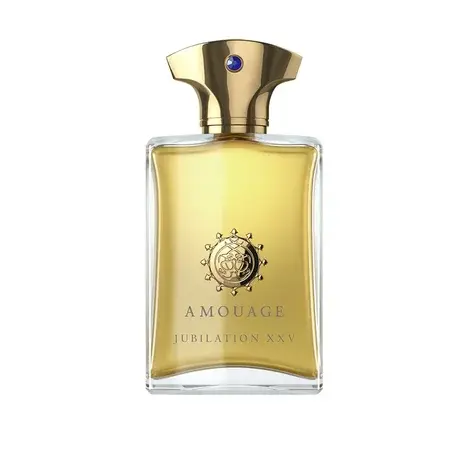
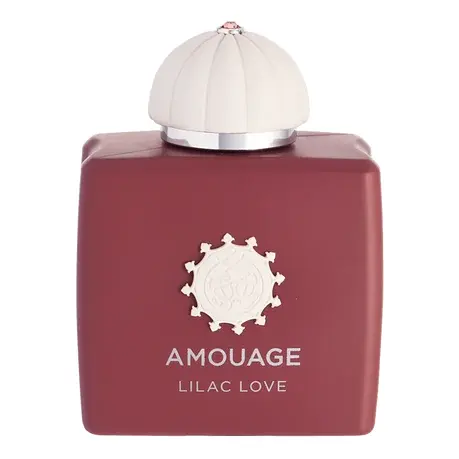
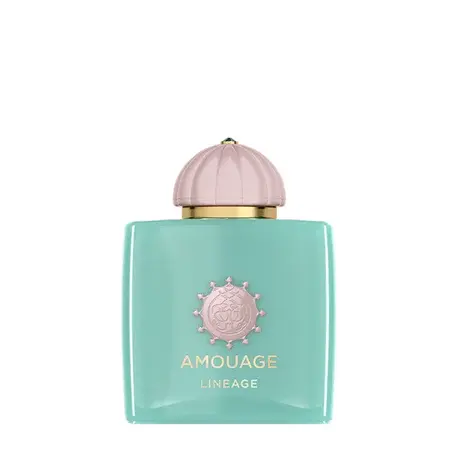
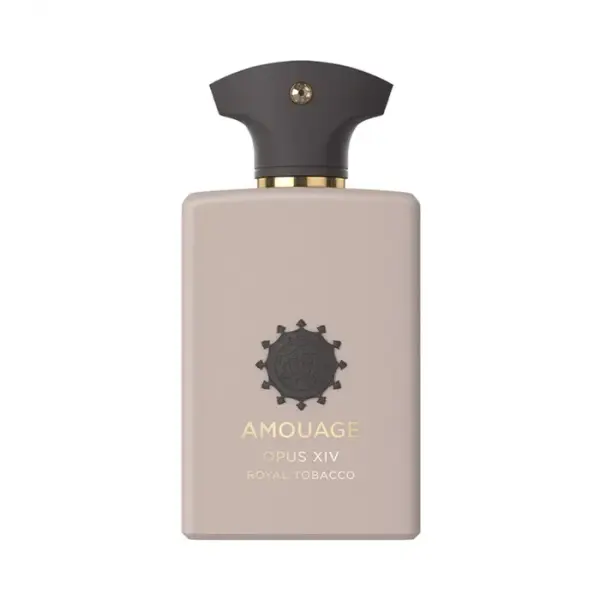
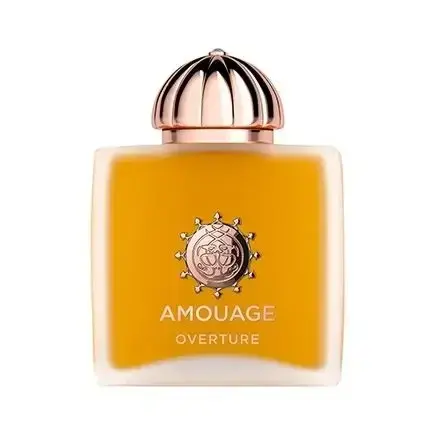
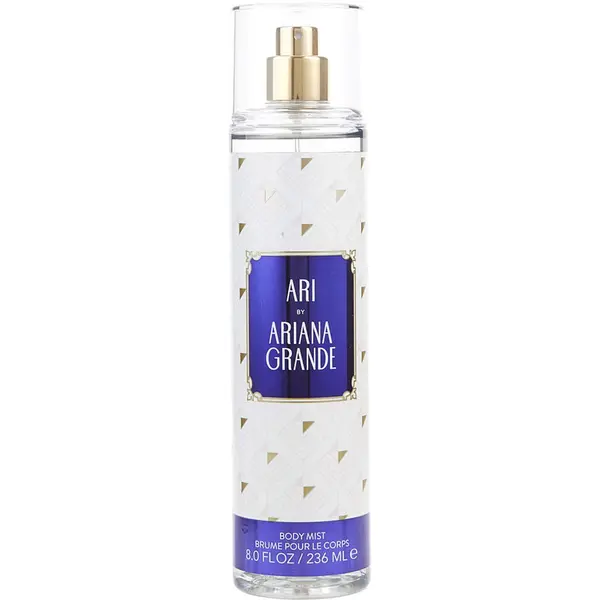
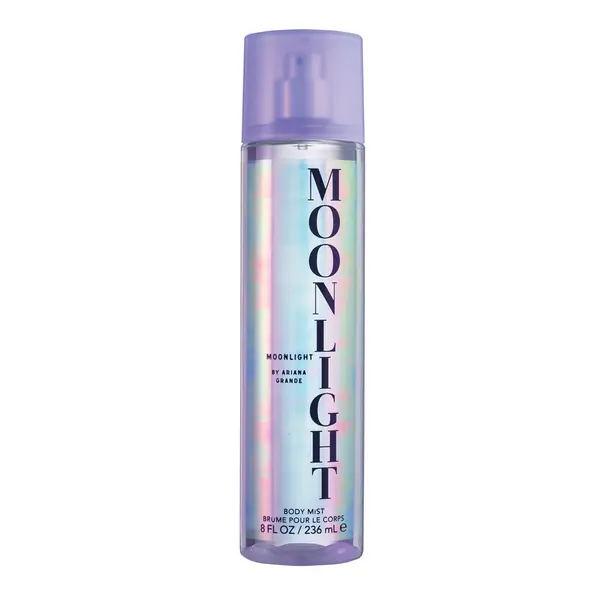
2,491 products in our catalogue contain it, mostly fragrance (58%), skincare (18%) and body care (12%).
In 21% of them it is among the first five ingredients, and it usually sits at number 10. The INCI list runs from the largest amount to the smallest down to 1%, so the higher it is, the more the product contains.
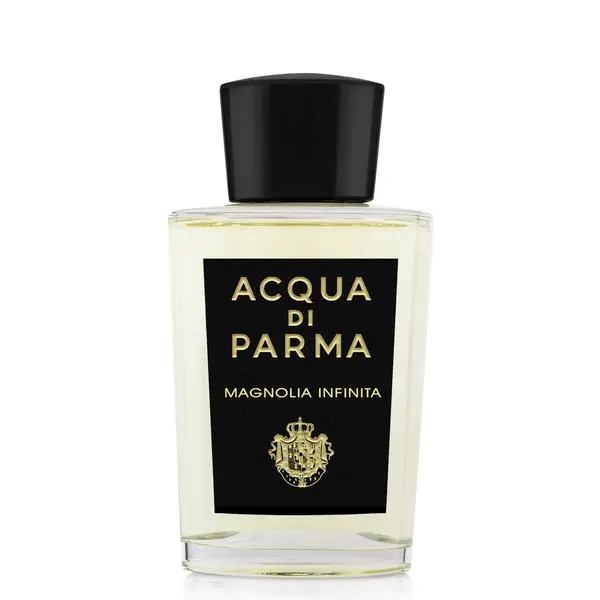
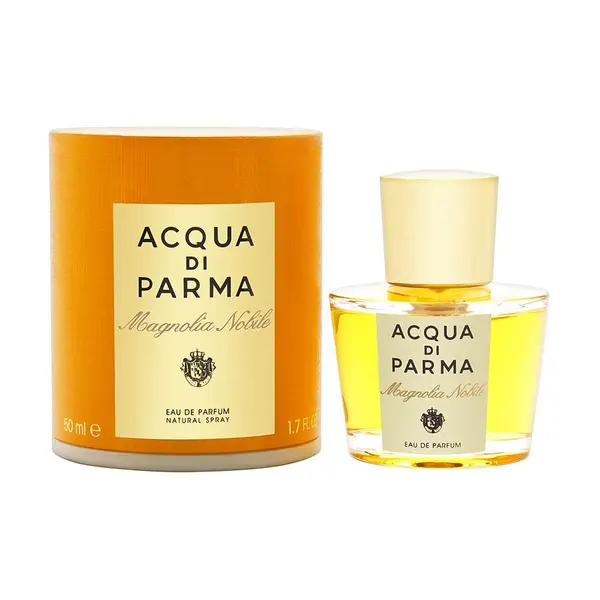
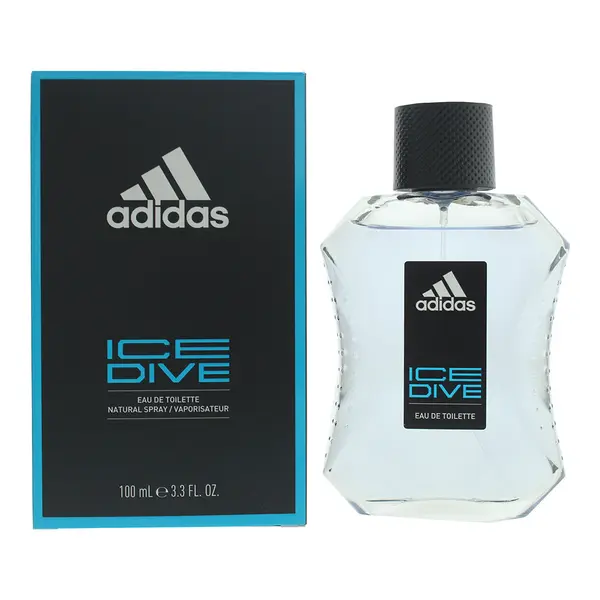
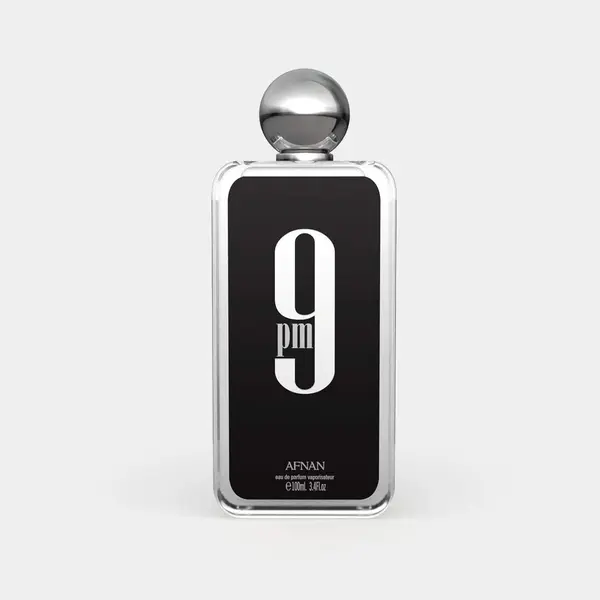
The brands with the most products containing it: Paco Rabanne (93), NUXE (85), Sisley (81), Shiseido (70) and LANCÔME (68).
Often found with
Found in 2,491 products in the catalogue
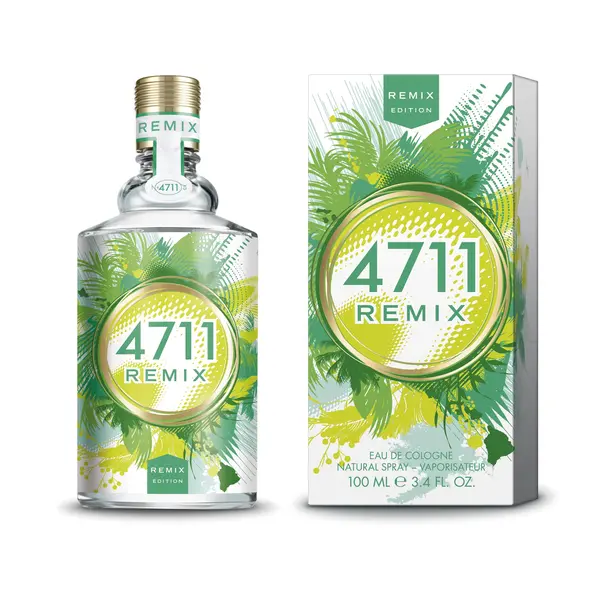
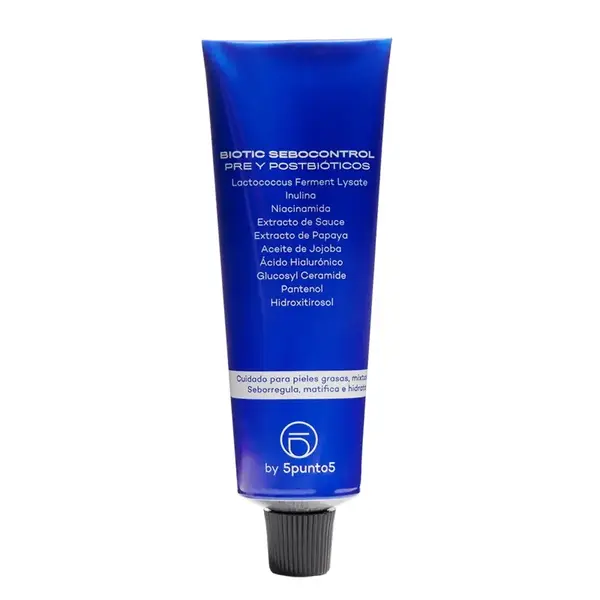
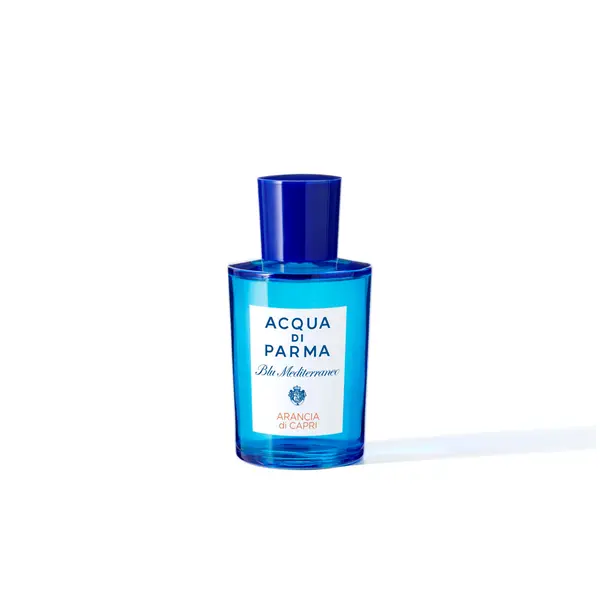
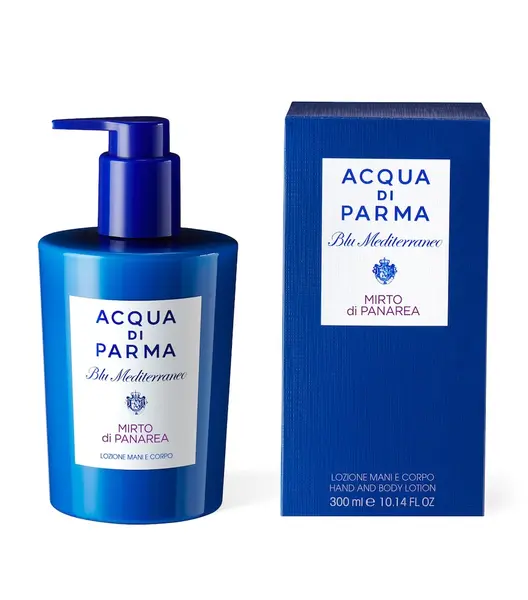
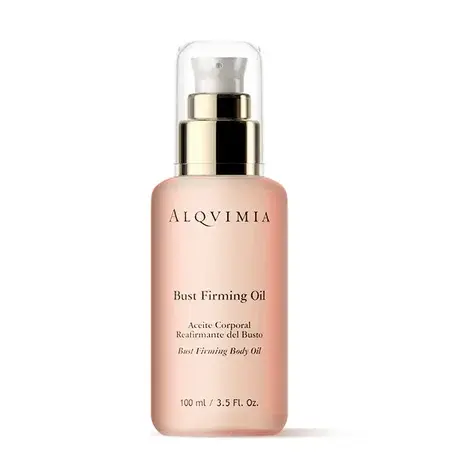
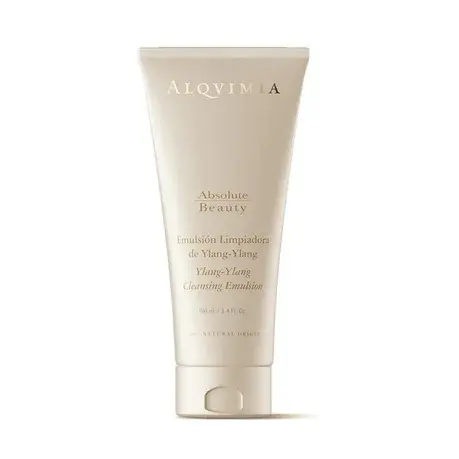
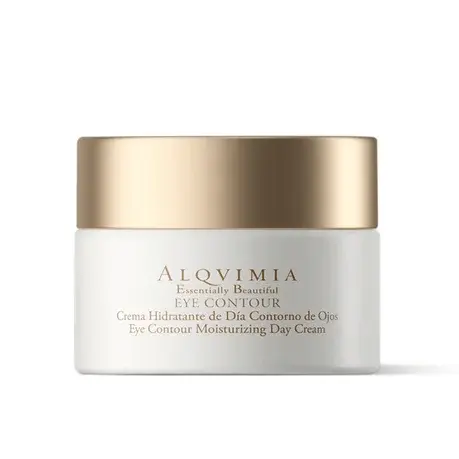
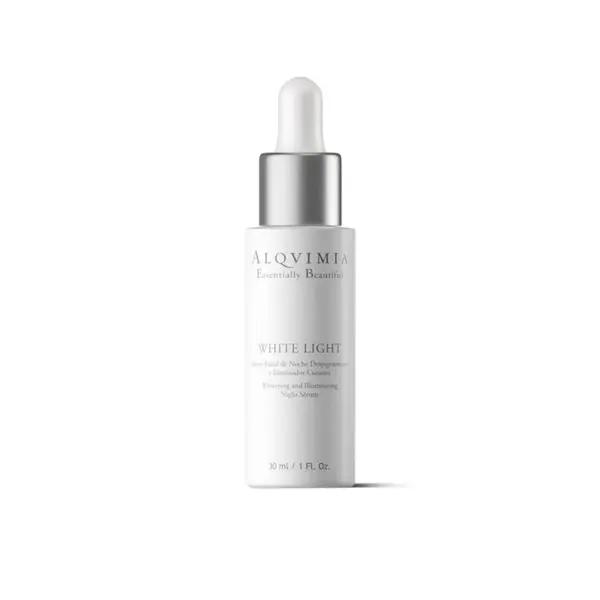
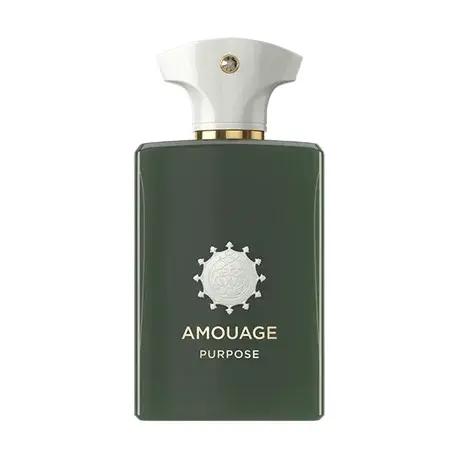
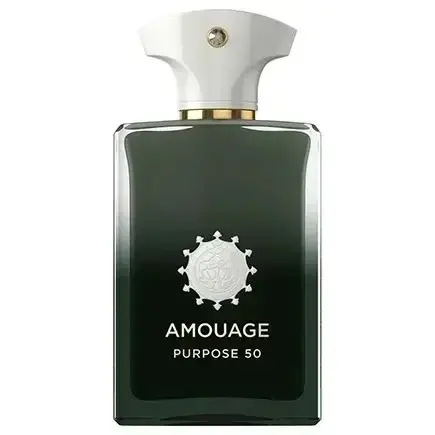
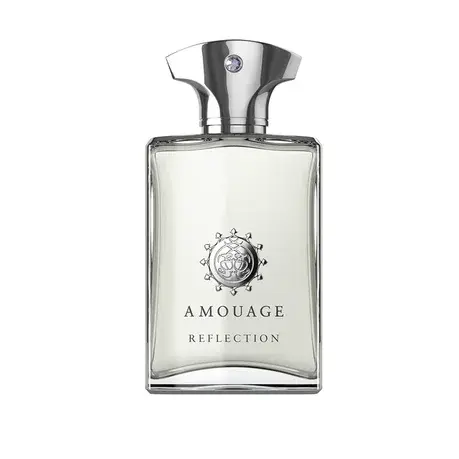
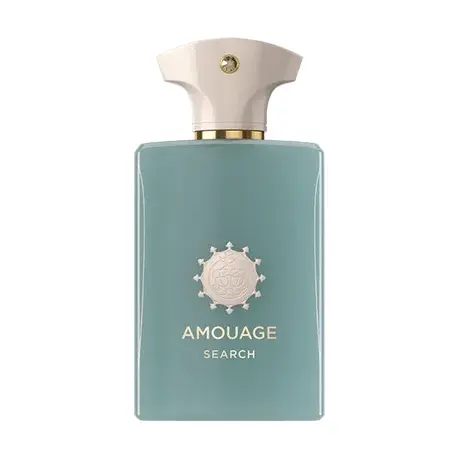
Other ingredients with the same function
Perfuming
Technical data
- INCI
- LINALOOL
- CAS
- 78-70-6
Source: CosIng, European Commission.
We can only analyse products whose ingredients we know, and a brand can reformulate without changing the barcode. If you have an allergy, always check the packaging.
Scan it yourself
With the app you point at the barcode and get this in a second, plus alerts when the price drops.
Get GlowPrice